
In This Guide
- 1 What Mottainai Actually Means Why "wasteful" is the wrong translation — and the Buddhist idea of dignity that makes mottainai something closer to grief than frustration.
- 2 The 10-Year Filter: Three Rules for Intentional Ownership What mottainai looks like as a practical purchasing framework — and the one question that eliminates impulse buying more reliably than any budget.
- 3 From Japanese Homes to the Nobel Peace Prize How a Kenyan environmentalist heard one Japanese word and recognized what "reduce, reuse, recycle" had been missing all along.
Note: As an Amazon Associate I earn from qualifying purchases. Prices are approximate and subject to change.
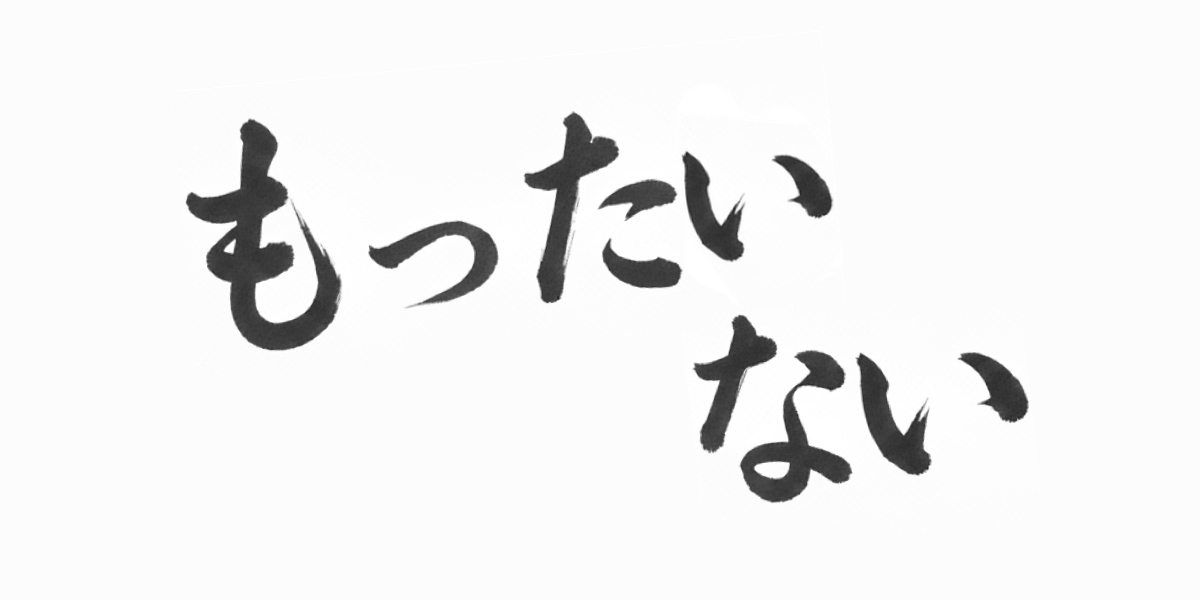
What Mottainai Actually Means
English translates mottainai as "wasteful." It is the closest available word, but it misses almost everything that matters. Waste is a description of outcome — something was discarded, unused, lost. Mottainai is a description of moral failure. The distinction is not semantic; it changes what the word asks of you.
The Etymology
The word is a compound. Mottai (勿体) is a Buddhist term referring to the intrinsic dignity or essence of a thing — not its market price, not its usefulness to you at this particular moment, but the value that inheres in it by virtue of existing: formed from the earth's materials, shaped by human hands, brought into being through the convergence of countless conditions. Nai (無い) means absent, lacking, lost.
Together: the intrinsic value of this thing has been lost without having been honored.
This is why the feeling mottainai describes is not frustration about money. It is closer to grief — the particular regret of having failed in a relationship. When a Japanese person says mottainai about a broken object, they are not saying "that was expensive." They are acknowledging that the object had a dignity that the act of waste failed to meet.
The Buddhist Roots
The idea that an inanimate object possesses dignity seems, at first, like sentiment. In the Buddhist tradition from which mottainai emerges, it is a statement about the interdependence of all existence. Every object arrives at its present state through an unbroken chain of causes and conditions. A wooden bowl required a tree that required soil and rain and decades of growth; it required the hands of the craftsperson who shaped it and their years of practice. To discard the bowl carelessly is not to injure the bowl — it is to disrespect every link in the chain that produced it.
This is why Japanese craftspeople have traditionally marked the end of an object's life with a form of acknowledgment — not a ceremony of grief, but a moment of recognition. In some traditions this takes the form of an apology to a broken object: not superstition, but gratitude. My grandmother would have recognized it immediately.
The practice carries forward into how Japanese manufacturers approach the objects they make. A knife designed to last thirty years and be resharpened hundreds of times is not merely a better business proposition. It is an object whose design honors the materials and labor that produced it. The knife that can be maintained earns respect over time. The knife designed for disposal begins its life already disrespected.
Mottainai vs. Minimalism
When mottainai first became visible to Western readers — through Marie Kondo, through wabi-sabi, through the broader interest in Japanese aesthetics — it was often conflated with minimalism. The two share surface features: both encourage considered ownership, both resist excess accumulation. But they begin from opposite premises.
Minimalism is organized around the owner. Its question is: does this object serve my life, my vision of how I want to live? Objects that pass are kept; objects that fail are removed. Minimalism at its logical extreme is a perpetual cycle of purging and re-acquiring — the person clears out "junk," then finds that life requires something they cleared out, then buys it again. The waste accumulates.
Mottainai is organized around the object. Its question is: have I used this thing fully? Have I honored the conditions that produced it? The object is not merely a tool for the owner's flourishing — it has its own modest claim to being used well.
"Minimalism asks: what do I need? Mottainai asks: what does this deserve?"
The practical implication differs in one critical way. Minimalism tolerates disposable objects — if something cheap fulfills your needs for now, minimalism has no objection. Mottainai does not tolerate objects designed for disposal. An object that cannot be repaired or eventually passed on is an object whose mottai has been designed out of it before it was even made.
Three Layers of What Gets Wasted
When an object is discarded without having been fully used, three things are lost simultaneously: the physical material, the human effort embedded in its making, and the natural resources that made the material possible.
Mottainai is grief for all three at once. Waste is not a single loss. It is three losses, occurring in the same moment, in the same discarded object.
The 10-Year Filter: Three Rules for Intentional Ownership
Philosophy without practice is decoration. Mottainai's endurance in Japanese daily life — across centuries of changing material conditions, from subsistence agriculture to one of the world's most advanced consumer economies — suggests it is more than an idea. It is a set of instincts that can be cultivated, and a set of questions that can be asked before every acquisition.
Ask: "Will I use this for ten years?"
Not "Do I want this?" Not "Is it on sale?" The question is whether, in ten years, this object will still be serving a purpose — still earning the conditions of its production.
This question eliminates most impulse purchases immediately. The $15 cutting board fails it not because it is cheap but because it has no place to go — it will displace something that already exists, crowd a space already sufficient, and eventually join the next round of decluttering. My Zojirushi rice cooker passes it because Japanese families use the same rice cooker for twenty or thirty years. That is what the question is asking.
Buy it once, buy it right
"I'll buy the cheap version first and upgrade later if I use it" sounds prudent. It is actually a plan to discard — you already know, at the moment of purchase, that the cheap version will be replaced. You are buying an object you intend to waste.
The mottainai calculation: a knife that costs $200 and lasts thirty years costs roughly $6.67 per year of use, performs better throughout its life, and can eventually be passed to someone else. A knife that costs $20 and lasts two years costs $10 per year and ends in a landfill. The cheaper knife is more expensive by every measure that matters — except the one on the price tag.
This is not an argument for spending more. It is an argument for spending once, on something that deserves the conditions of its production.
If you own it, you are responsible for its entire life
In Japan, ownership is stewardship. The purchase is not the end of your relationship with an object — it is the beginning of a responsibility that includes maintenance, repair, and conscientious transfer or disposal.
Before acquiring something, three questions: Can I maintain it? A wooden knife handle requires occasional oiling; if you won't do this, the object degrades before its time. Can I repair it? A pen with a replaceable refill can last decades; a sealed pen is designed to be discarded — its waste is built in. Can someone else use it after me? A well-maintained quality knife can be donated, resold, or given; cheap tools arrive at the end of their primary life already too degraded to serve anyone else.
If the answer to all three is no, the object is designed for disposal. Mottainai holds that we should not participate in that design.
The Question That Changes Everything
Before you buy anything, ask yourself:
"Am I ready to be responsible for this thing's entire life?"
If the answer is no, you don't want the object. You want the feeling of acquiring it.
That feeling lasts an afternoon. The object lasts years.
The Unexpected Freedom
Here's what surprised me: owning less didn't feel like sacrifice.
I own fewer things than I did when I arrived in America, but everything I own, I love. My Zojirushi rice cooker sits on my counter — not hidden in a cabinet — because I use it every day and it's beautiful. My knife makes cooking something I look forward to rather than get through. I don't have junk drawers. I don't have buyer's remorse. I don't donate bags of barely-used items every spring.
Instead, I have space. And quiet. And certainty.
How Japan Practices This Daily
In Japanese restaurants, portion sizes are calibrated so that finishing your plate is the normal outcome. The shame of leaving food — mottainai — is a design constraint that shapes how food is prepared, not merely a norm for diners.
In Japanese homes, objects move through deliberate cycles: used fully, repaired when possible, passed on when no longer needed. In Japanese manufacturing, the same ethic shapes product design — rice cookers and kitchen knives are engineered to be maintained rather than replaced, and replacement parts are stocked for decades after a product's production run ends.
From Japanese Homes to the Nobel Peace Prize
In 2005, Wangari Maathai — the Kenyan environmentalist who had won the Nobel Peace Prize the previous year for founding the Green Belt Movement, which planted over fifty million trees across Africa — was visiting Japan when she encountered mottainai for the first time. She was struck by it the way people are sometimes struck by a word that names something they have been thinking about for years without the language for it.
The word, she noted, contained within a single term the four principles that environmental movements worldwide had been promoting separately for decades: reduce, reuse, recycle — and one more, the one hardest to translate into policy language but most important to human behavior: respect. English environmentalism had a framework for what to do with objects at the end of their life. Japanese had a word for the attitude that determines whether objects get to the end of their lives at all.
Maathai began promoting mottainai internationally as an environmental concept — not appropriating Japanese culture for Western goals, but recognizing that the word named something genuinely universal: the moral cost of waste, understood not as inefficiency but as a failure of relationship between human beings and the material world they depend on.
The Word That Captured What "Reduce, Reuse, Recycle" Could Not
The three R's of Western environmental education are procedural — they tell you what to do with objects. They say nothing about how to regard them. A person can reduce, reuse, and recycle conscientiously and still treat every object as a pure instrument, with no obligation to what produced it.
Mottainai adds the fourth dimension: respect. Not for the planet as an abstraction, but for the particular chain of conditions — material, human, ecological — that brought each specific object into being. Maathai recognized that this was what environmental movements had been missing, and that Japanese had encoded it in daily vocabulary for centuries. The mottainai campaign she helped launch spread the word to audiences who had never heard it — and recognized it immediately as naming something true.
The global resonance is not surprising when you understand mottainai's origin. It is not a peculiarly Japanese concept — it is a Japanese word for a universal human recognition that waste is a kind of disrespect toward the conditions that make things possible. What Japan did was encode it in daily language so that it remained active in daily life even as material abundance made the consequences of waste less immediately visible.
My grandmother's ghost — もったいないお化けが出るよ, "the mottainai ghost will come for you" — is not a threat. It is a description of consequence. When you waste something's potential, you lose something too: the use you might have had, the peace of living in right relationship with the things your life requires, the particular satisfaction of owning fewer things and being certain about each of them.
That $15 cutting board is probably in someone else's kitchen. Maybe it serves them well. I don't need it. And that clarity — that certainty about what is worth owning — is, more than any particular object, what mottainai gives you.
Starting Your Own Practice
You don't have to be Japanese to embrace mottainai. You just have to shift one thing: stop thinking of objects as disposable.
- Before buying: "Will I use this for ten years?"
- Before discarding: "Can this serve someone else?"
- When choosing between options: "Which can I maintain and repair?"
It's not about perfection — I still make mistakes, still occasionally buy things I don't need. But now, I notice. And noticing is the first step.
Mottainai Picks
Objects chosen for longevity, repairability, and the quality of craft that makes a decade of use the beginning rather than the end of their story.
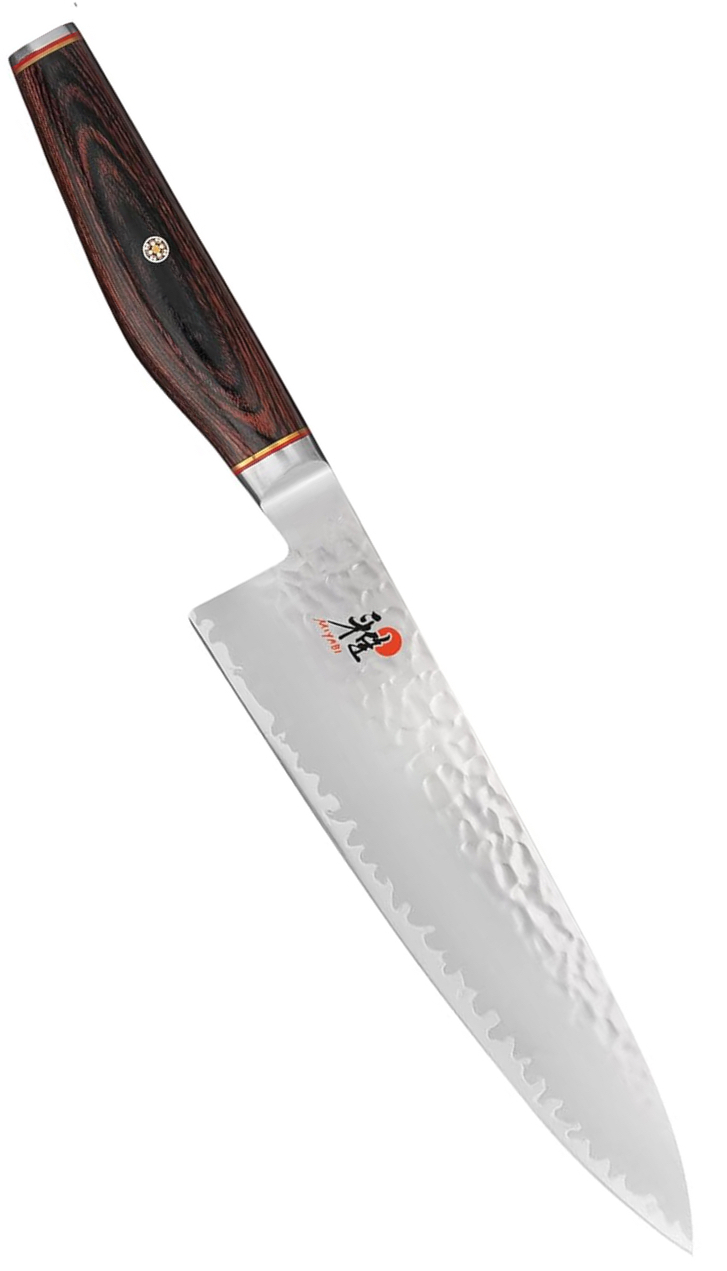
Miyabi Artisan 8"
- Price~$210
- SteelSG2 Micro-Carbide, 63 HRC
- OriginSeki, Japan
SG2 steel at 63 HRC holds an edge through hundreds of uses and responds to a whetstone for decades of resharpening. The hammered tsuchime finish reduces food adhesion. A knife you buy once, maintain through a lifetime, and pass on — the definition of mottainai in object form.
find it here →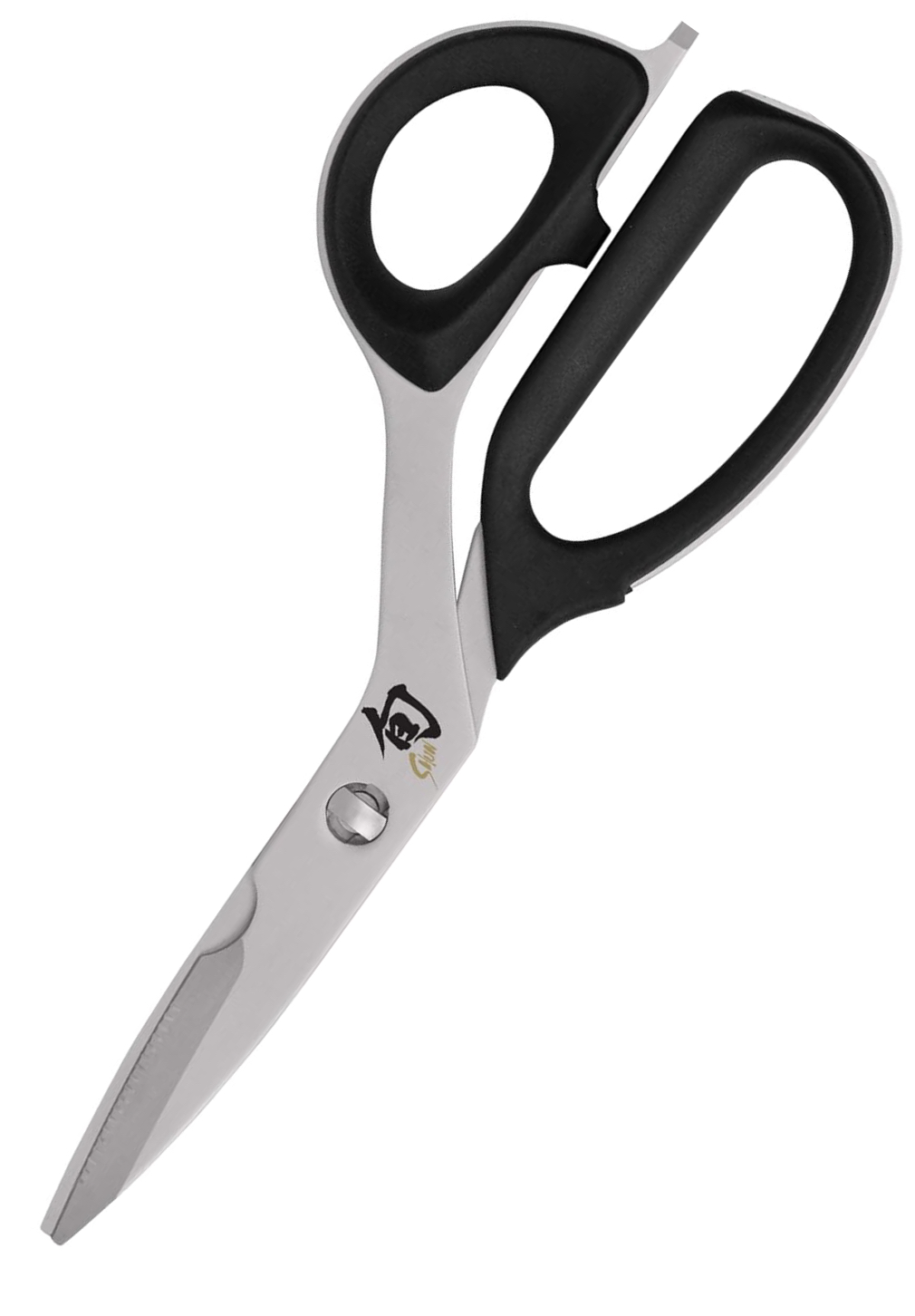
Shun Kitchen Shears, 22.6 cm
- Price~$72
- Steel420J2 Forged Stainless
- DesignSeparable for Cleaning
Forged to Shun's knife standards, not assembled from stamped components. Separates at the joint for thorough cleaning and resharpening — designed for decades of use, not eventual replacement. The last kitchen shears you need to buy.
find it here →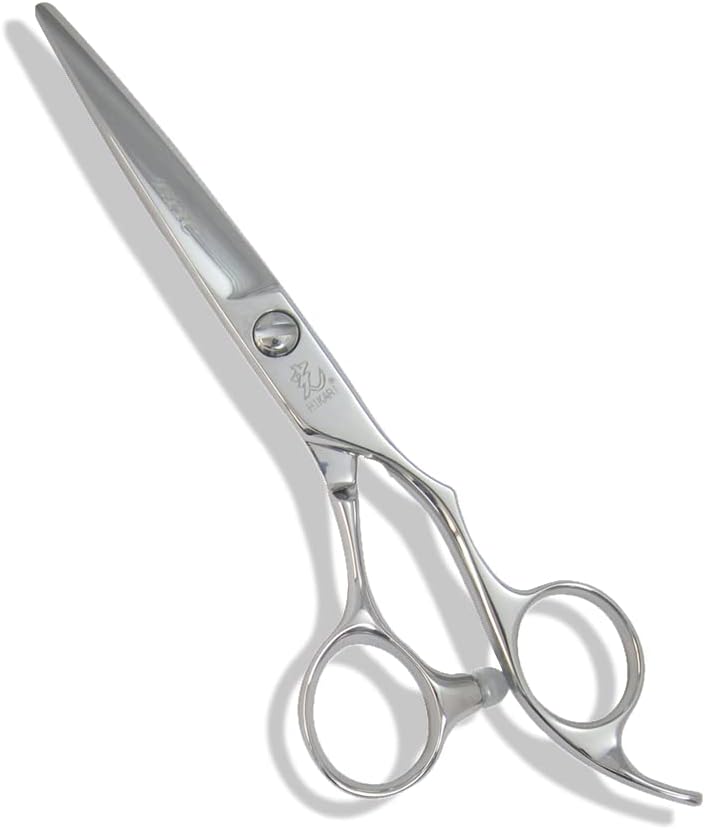
Hikari Epic Series (5.5")
- Price~$665
- SteelPremium Japanese Alloy
- OriginNiigata, Japan
At this level of construction, scissors do not wear out — they are resharpened and adjusted by specialists over a professional lifetime. The cost per year of use across a thirty-year working life is lower than a mid-range pair replaced every five years. This is Rule 2 in physical form.
find it here →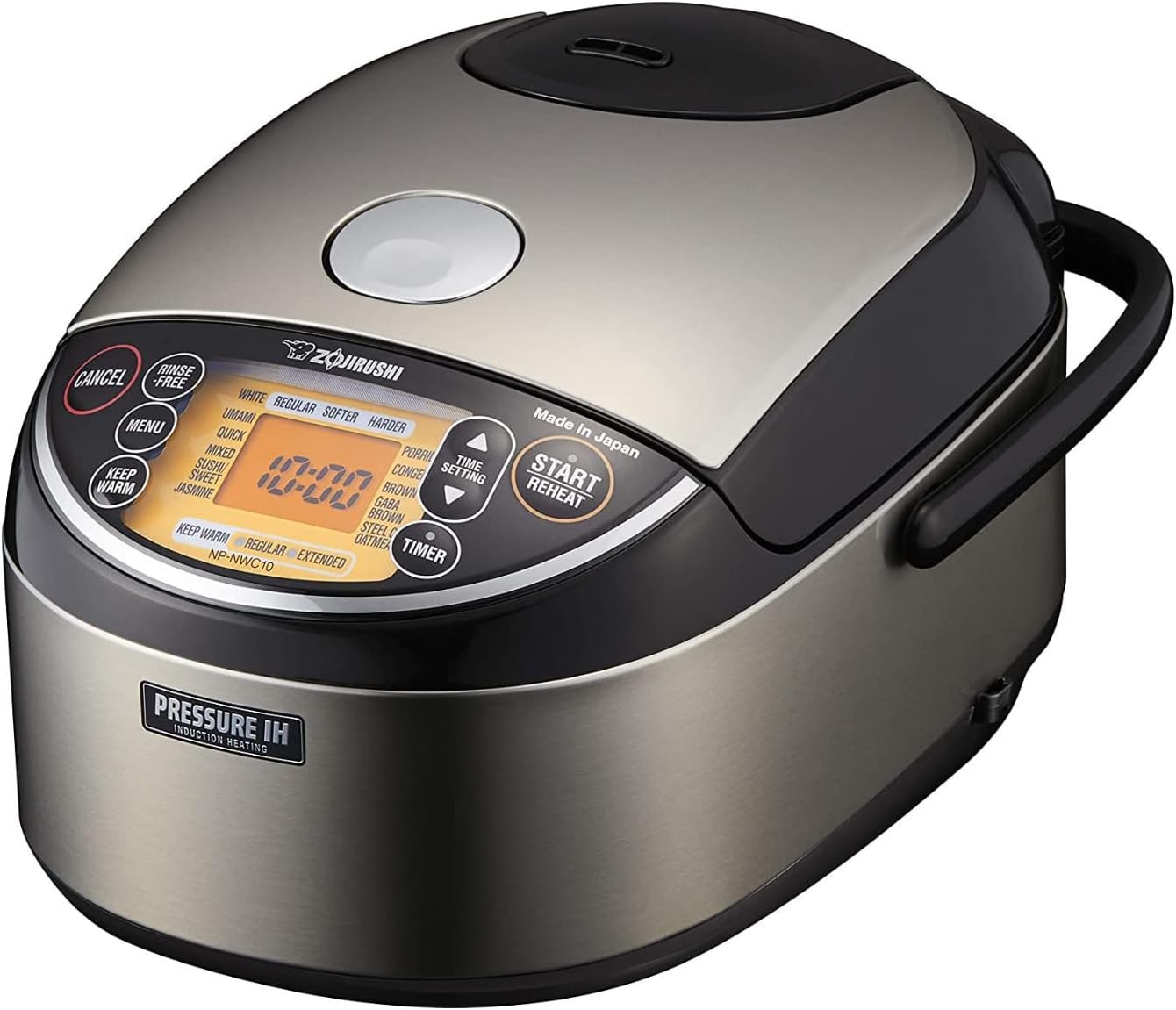
Zojirushi NP-NWC10XB Pressure IH
- Price~$460
- Capacity5.5-Cup (5–6 servings)
- SupportParts Available for Decades
Japanese families use the same Zojirushi for twenty or thirty years. Pressure IH heating with AI learning that adapts to your water, your rice, your altitude. Replacement parts stocked for decades after production ends. The object in your kitchen most likely to outlast everything else — and to improve slightly with every use.
find it here →