
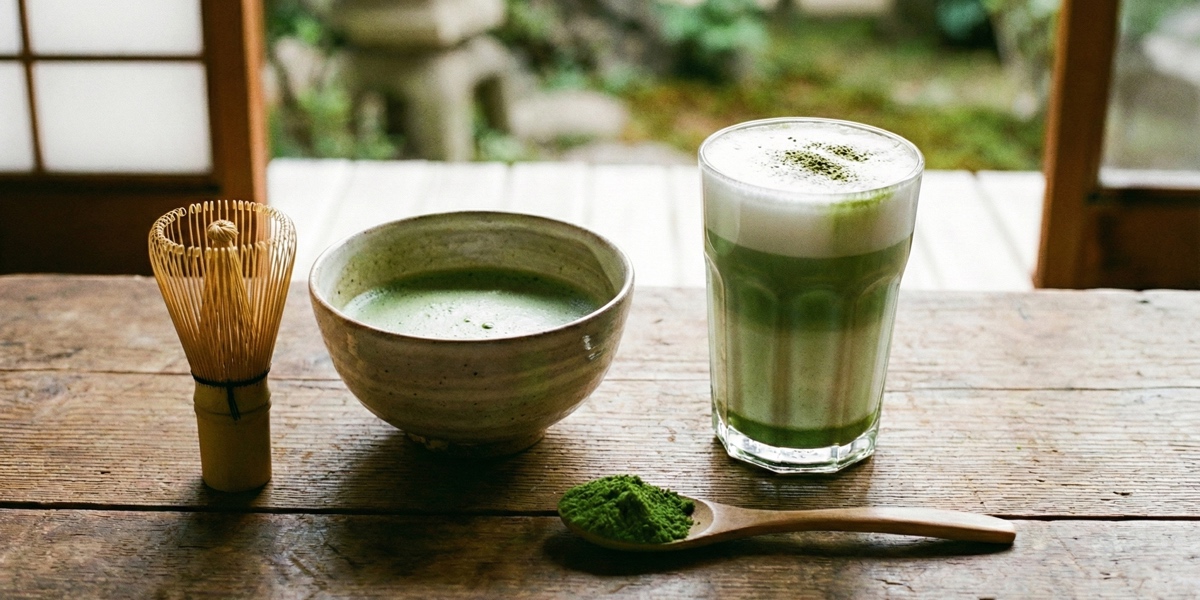
In This Guide
- 1 Ceremonial vs. Culinary Grade: Which One Do You Need? Why you'd drink one straight and bake with the other — the defining differences, side by side.
- 2 Why the Price Gap Is Real: Shading, Grinding & Timing The shading trick that creates vibrant green color — and why slow stone-grinding at 30g/hour actually matters.
- 3 Where It Comes From: Uji, Nishio & Kagoshima How Japan's three main growing regions each shape the flavor — and the 800-year story behind your cup.
- 4 How to Choose, Prepare & Store It Right A scene-by-scene buying guide, how-to instructions for both grades, and the common mistakes that ruin good matcha.
Note: As an Amazon Associate I earn from qualifying purchases. Prices are approximate and subject to change.
Ceremonial vs. Culinary Grade: Which One Do You Need?
Ceremonial Grade: For drinking. Smooth, naturally sweet, vibrant jade green. Worth the price if you drink matcha plain — just matcha and hot water — regularly.
Culinary Grade: For cooking and lattes. Stronger, more bitter flavor that holds up when mixed with milk, sugar, or batter. Using ceremonial grade in a cookie recipe is a waste of both quality and money.
The difference isn't marketing. It's what the plant was fed, when the leaves were picked, and how slowly they were ground.
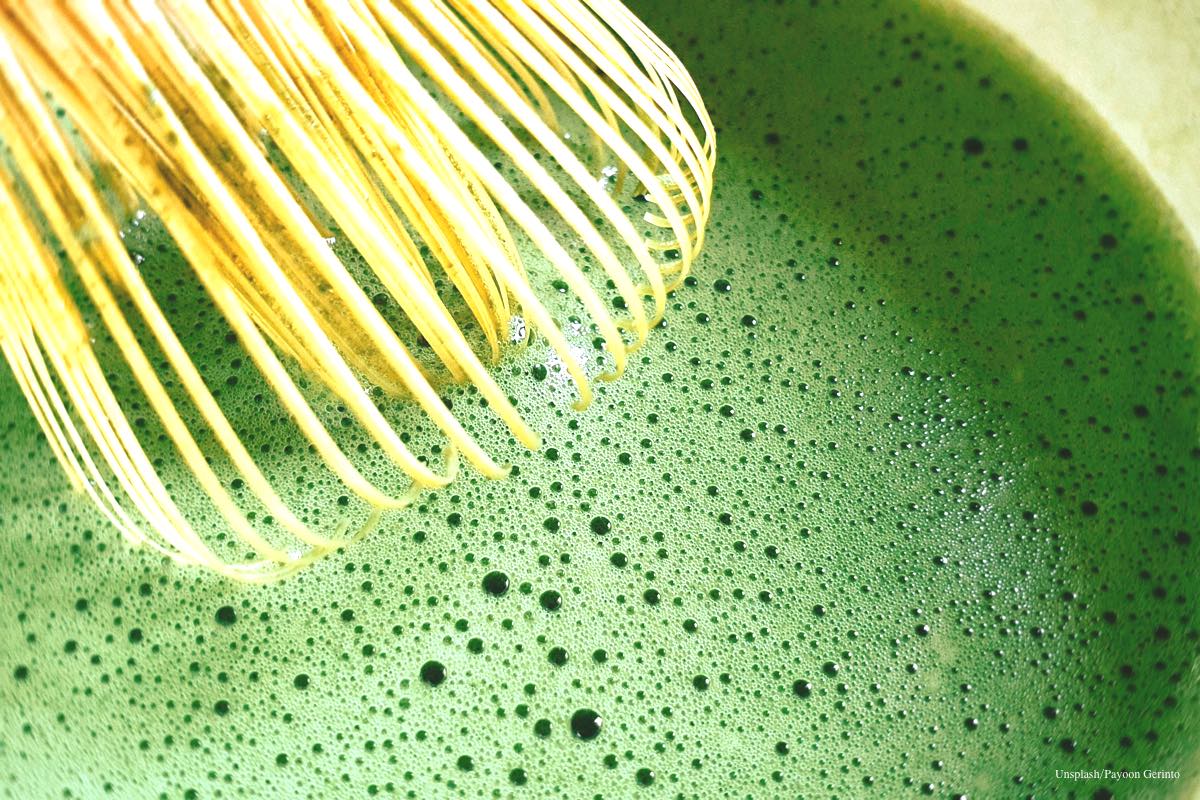
In Japan, ceremonial-grade matcha (茶道用抹茶, sado-yo matcha) is what you'd serve at a traditional tea ceremony — made from the youngest spring leaves, shaded for 3–4 weeks before harvest.
Why shade the plants? It blocks sunlight, which forces the plant to produce more chlorophyll (bright green color) and L-theanine (natural sweetness, calm energy). Less bitterness, more depth. The result is matcha that tastes smooth and almost creamy on its own.
| Characteristic | Ceremonial Grade | Culinary Grade |
|---|---|---|
| Color | Vibrant jade green | Yellow-green, duller |
| Taste | ★★★★★ Sweet, umami, smooth |
★★☆☆☆ Bitter, astringent, strong |
| Texture | Silky, no grittiness | Slightly gritty, coarser grind |
| Best For | Drinking plain with hot water | Lattes, smoothies, baking |
| Price (30g) | $25–45 (everyday) $60–120 (premium) |
$10–20 |
A Japanese Distinction Worth Knowing: Usucha vs. Koicha
In tea ceremony, there are two preparations: usucha (薄茶, thin tea) — light, frothy, what you see in cafes — and koicha (濃茶, thick tea) — concentrated, paste-like, reserved for formal ceremonies.
Both use ceremonial grade, but koicha demands the absolute top tier (the kind that runs $100+ for 30g). For home use, everyday ceremonial matcha at $25–45 per 30g is exactly right.
Why the Price Gap Is Real: Shading, Grinding & Timing
The gap between a $15 and a $45 tin isn't arbitrary. It reflects a cascade of labor-intensive choices — each one amplifying the final flavor in your cup.
1. Shading the Plants
Premium matcha plants are covered 3–4 weeks before harvest, blocking 90–95% of sunlight. Traditional producers use hand-set straw mats; cheaper ones use plastic tarps.
More shade = more chlorophyll (brighter green) + more L-theanine (sweetness, calm energy) + less catechin (bitterness). This is also why ceremonial-grade matcha has 2–3x more L-theanine than regular green tea — the key compound responsible for matcha's focused calm rather than coffee's spike-and-crash.
2. When the Leaves Are Picked
First flush (spring) → ceremonial grade. The youngest, most tender leaves, packed with nutrients and sweetness.
Second flush (summer) → usually culinary grade. Tougher, more bitter — which is why it works fine in a latte but feels harsh drunk plain.
Autumn harvest → industrial / food service grade.
3. Hand-Picking vs. Machine Harvest
Top ceremonial grades are hand-picked — only the youngest 2–3 leaves per stem. Culinary grades are machine-harvested, including stems and older leaves. Hand-picking is roughly 100x slower, which explains much of the price difference.
4. Stone-Ground vs. Machine-Milled
Traditional granite stone mills (石臼, ishiusu) grind at 30–40g per hour. Industrial mills run at 40kg per hour. Slow grinding prevents heat buildup, which would degrade both the delicate flavor compounds and the vivid green color. Fast grinding is efficient — but the heat shows up in your cup as dullness and flatness.
The Health Angle: Why L-Theanine Matters
Shading boosts L-theanine by slowing photosynthesis — the plant compensates by producing more of this amino acid. L-theanine works with caffeine to smooth out the energy curve:
Matcha (2g): ~70mg caffeine + ~20mg L-theanine
Coffee (8oz): ~95mg caffeine + 0mg L-theanine
Green tea (8oz): ~35mg caffeine + ~5mg L-theanine
Matcha is also rich in EGCG catechins — antioxidants linked to skin health and cellular protection. We explore the full science in The Science of Matcha: Anti-Aging Secrets →
Where It Comes From: Uji, Nishio & Kagoshima
Just like wine, matcha carries the fingerprint of its growing region. Once you know the grades, origin is the next dimension of quality.
Uji (京都宇治) — The gold standard. Birthplace of Japanese matcha cultivation, with 800+ years of expertise. Uji ceremonial matcha commands premium prices and delivers unmatched umami depth and sweetness.
Nishio (愛知県西尾) — Japan's largest producing region, with excellent quality-to-price ratio. Bright color, balanced flavor. A smart choice for everyday ceremonial drinking without the Uji premium.
Kagoshima (鹿児島) — Southern region, longer growing season, organic farming is common. More affordable while maintaining genuine quality — often the best value for people building a daily matcha habit.
The Tea Ceremony (茶道, Sado)
In Japanese tea ceremony, preparing matcha is a practice of presence — every movement deliberate, every gesture meaningful. The tools have names and histories:
Chasen (茶筅) — Bamboo whisk, 80–120 tines
Chawan (茶碗) — Tea bowl, often handmade and centuries old
Chashaku (茶杓) — Bamboo scoop for precise measurement
The ceremony (chanoyu) can last hours. The concept behind it: ichi-go ichi-e (一期一会) — "one time, one meeting." This cup, this moment, will never exist again.
How to Choose, Prepare & Store It Right
Choose Ceremonial Grade if you: drink matcha plain (just matcha + hot water), want maximum health benefits (higher L-theanine), or drink it regularly and care about taste.
Choose Culinary Grade if you: make matcha lattes with milk, bake matcha into cookies or cakes, blend it into smoothies, or use matcha occasionally rather than daily.
The middle ground: Entry-level ceremonial or premium culinary ($15–25 per 30g) is versatile enough for both drinking and cooking.
How to Spot Quality Matcha on the Shelf
Color: Vibrant jade green (not yellow-green or brownish). Dull color means oxidation or poor shading.
Texture: Fine, talc-like powder with no clumps. Gritty texture means lower-grade or faster-milled.
Packaging: Nitrogen-flushed or vacuum-sealed tin. Harvest date listed. Japanese origin and region specified.
Red flags: No origin listed, contains added sugar or flavoring, suspiciously cheap ($5 for 100g), or "made from green tea" rather than tencha (shaded leaves).
How to Prepare: Ceremonial Grade
- Sift 2g matcha (about ½ tsp) into a bowl using a small strainer
- Add 70ml hot water at 70–80°C (160–175°F) — never boiling
- Whisk in a brisk M or W motion until frothy, about 30 seconds
- Drink immediately
No bamboo whisk? An electric milk frother works well for daily use — whisk matcha with a small amount of hot water first, then add the rest. Not as refined as a chasen, but 90% of the way there.
How to Prepare: Culinary Grade (Latte Method)
- Add 1–2 tsp matcha to a small bowl
- Add 2 tbsp hot water and whisk into a smooth paste (prevents clumping)
- Pour in steamed milk (8oz)
- Sweeten to taste with honey or maple syrup
Common Mistakes
Mistake 1: Using boiling water
Boiling water (100°C / 212°F) destroys L-theanine and makes matcha harsh and bitter. Keep it at 70–80°C (160–175°F). Let boiled water sit for 2–3 minutes, or mix with a splash of cold water.
Mistake 2: Storing it wrong
Matcha oxidizes fast. Once opened, store in an airtight container in the fridge and use within 2–3 months. A $45 ceremonial matcha left in a cabinet for six months will taste flat and stale — worse than cheap culinary grade kept properly.
Mistake 3: Buying "matcha" that isn't matcha
Real matcha is made from tencha — shaded tea leaves ground to powder. Some products labeled "matcha" are simply regular green tea (sencha) ground up, with none of the shading benefits. Signs it's not real: suspiciously cheap, no Japanese origin listed, contains added sugar or flavoring.
The Bottom Line
Start with mid-tier ceremonial grade ($25–30 / 30g). Smooth enough to drink plain, forgiving enough for a latte. Once you taste real ceremonial matcha — vibrant green, naturally sweet, with that umami depth — the $15 tin will never look the same.
For daily drinking: Naoki Matcha Superior or Encha Organic Ceremonial ($25–35 / 30–40g).
For special occasions: Ippodo Shoin — one of Kyoto's oldest tea houses, proper ceremony quality.
For lattes and baking: Jade Leaf Organic Culinary — strong flavor that holds up, generous size, honest price.
Our Recommendations
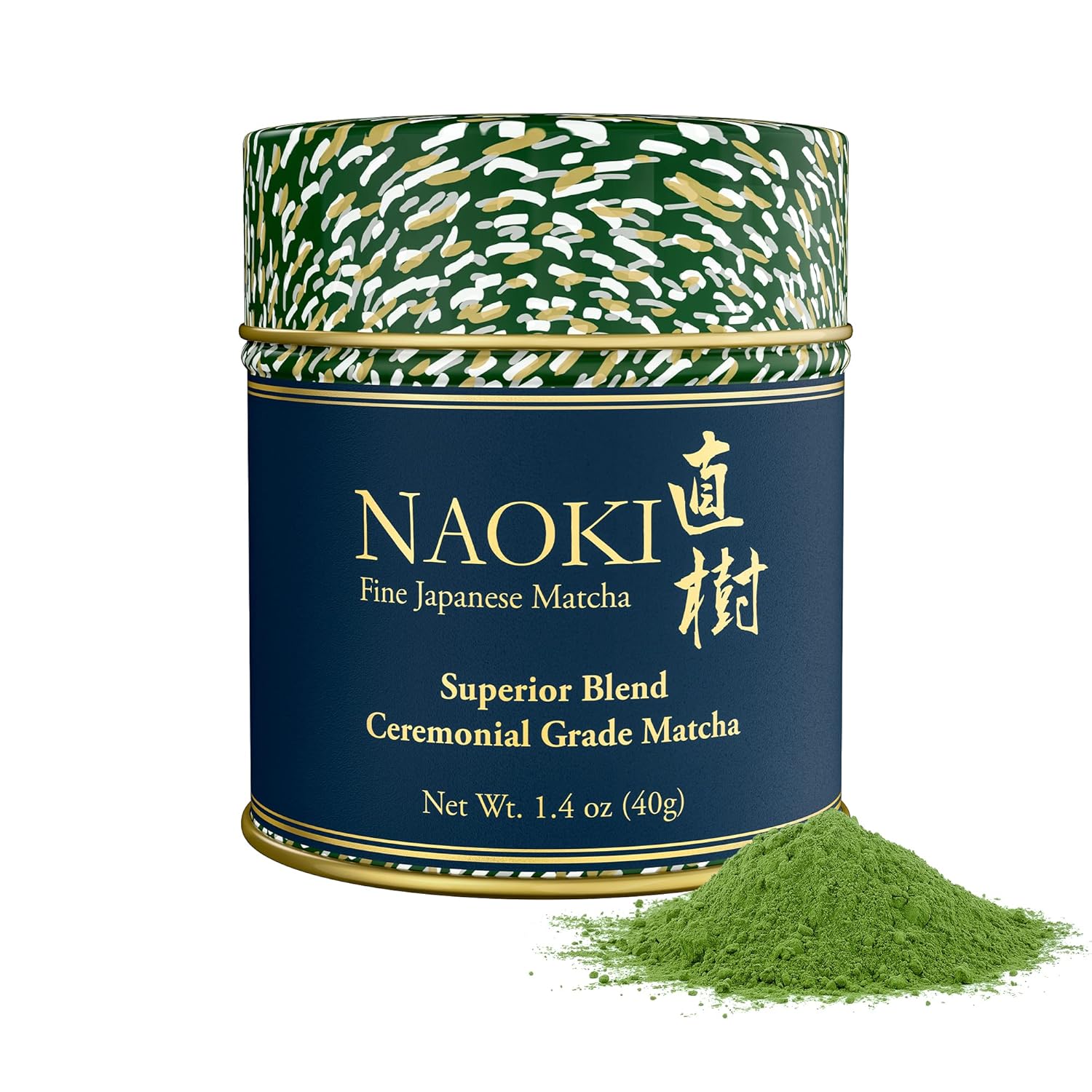
Naoki Matcha — Superior Blend
- GradeCeremonial
- Price/Size~$25 / 40g
- Best ForDaily Practice
The best entry point for daily ceremonial drinking. Consistently bright green, smooth, and naturally sweet — the taste gap versus culinary grade is immediately obvious. Good value at 40g.
find it here →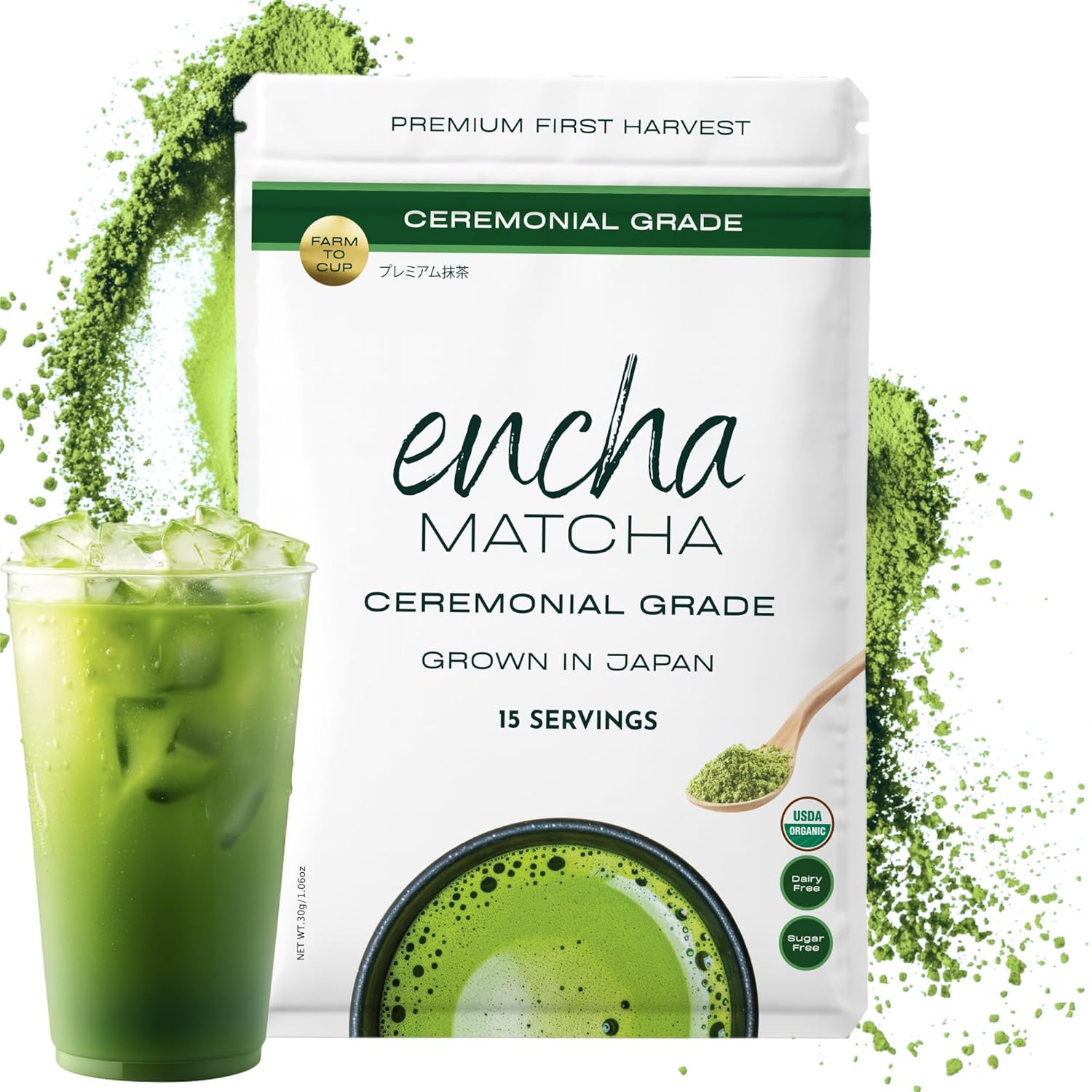
Encha Organic Ceremonial
- GradeCeremonial Organic
- Price/Size~$27 / 30g
- Best ForHealth-focused daily use
Certified organic, first-harvest ceremonial grade from Uji. For drinkers who want the full L-theanine and antioxidant profile without compromising on taste. Clean, bright, no bitterness.
find it here →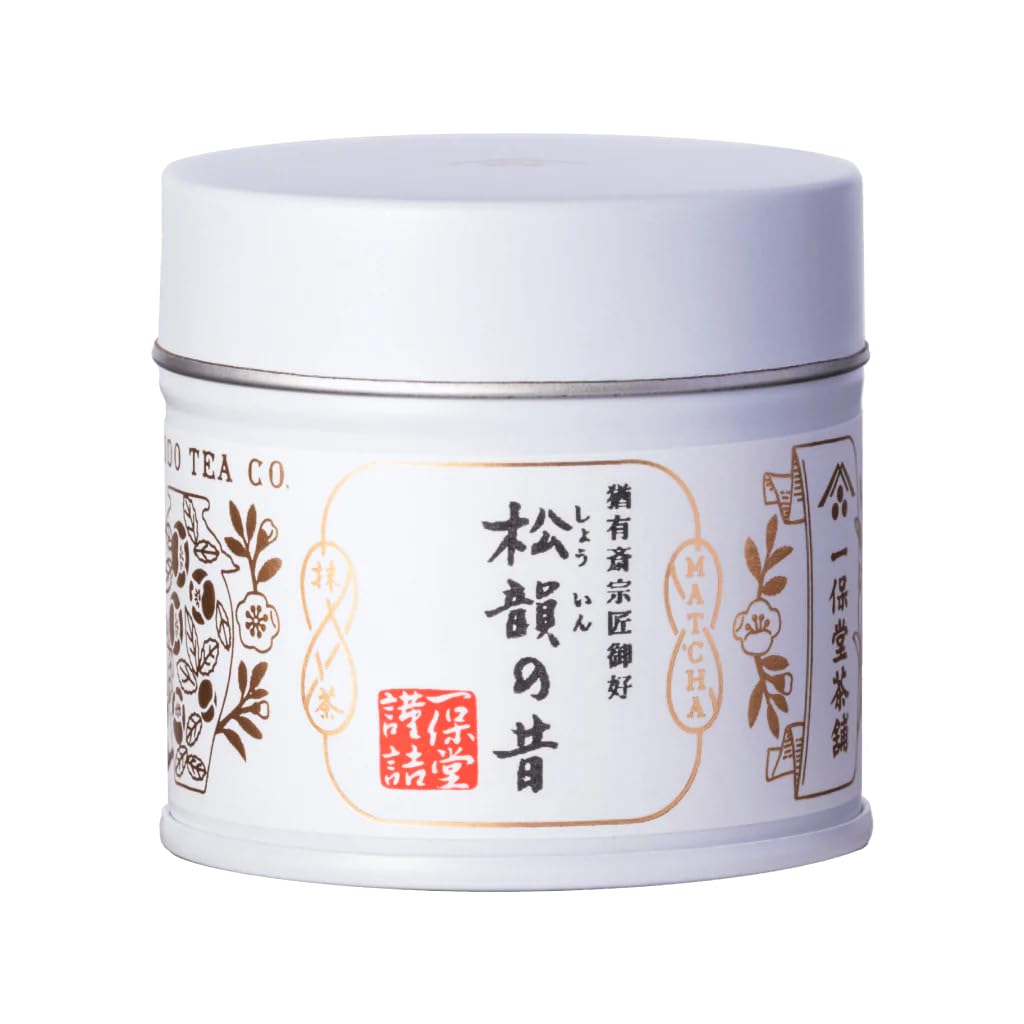
Ippodo Tea — Shoin
- GradePremium Ceremonial
- Price/Size~$38 / 20g
- Best ForSpecial occasions, gifting
Ippodo has been selling tea in Kyoto since 1717. Shoin is their entry-level ceremonial grade — which still places it well above most products on the market. The benchmark for understanding what proper matcha tastes like.
find it here →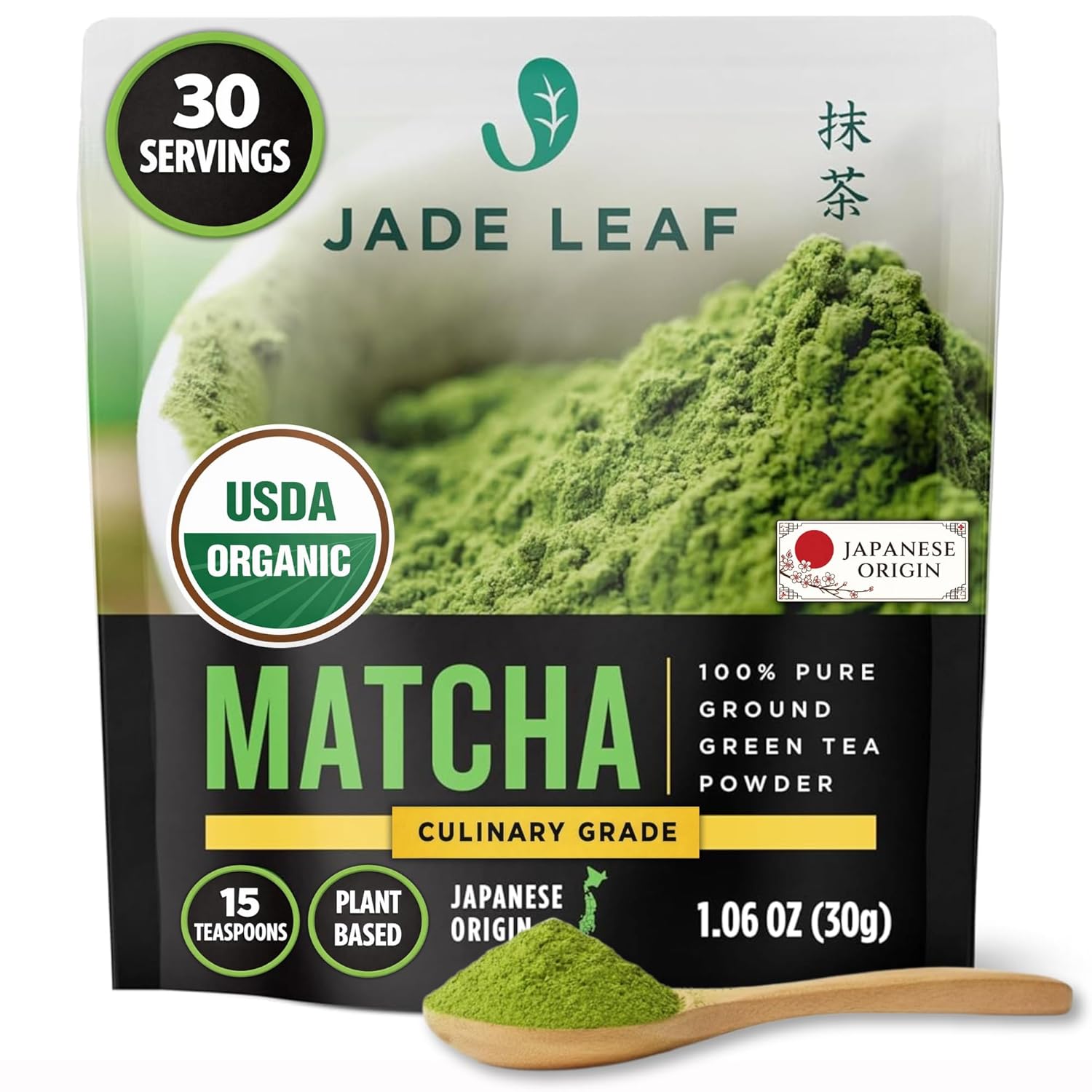
Jade Leaf Organic Culinary
- GradeCulinary Grade
- Price/Size~$11 / 30g
- Best ForLattes, baking, smoothies
The reliable culinary grade for everyday use. Strong enough to cut through milk and sweetener without going bitter, organic, and available in sizes that make sense for regular baking. Don't use ceremonial grade where this works perfectly.
find it here →