
In This Guide
- 1 EGCG: The "Rust Prevention" Your Cells Actually Need Why consuming the whole leaf gives you 3–4x more antioxidants than brewed green tea — and what those antioxidants actually do.
- 2 What Japanese Studies Actually Found: Brain, Skin & Muscle Four areas where peer-reviewed research has confirmed measurable anti-aging effects.
- 3 L-Theanine: Why Matcha Doesn't Hit Like Coffee The amino acid that smooths out caffeine — and why lower cortisol matters for how you age.
- 4 How Much, When & How to Keep It Potent The daily dosage Japanese studies use, the best timing, and the storage mistake that destroys your EGCG.
Note: As an Amazon Associate I earn from qualifying purchases. Prices are approximate and subject to change.
Why Japanese Scientists Study Matcha
In 2017, Nestlé Japan launched the "Matcha and Health Research Society" with Japanese universities. Their goal: prove what Japanese grandmothers already knew.
Since then, peer-reviewed studies have confirmed matcha's effects on brain aging, skin damage, muscle retention, and metabolic health. This isn't wellness marketing. It's data.
EGCG: The "Rust Prevention" Your Cells Actually Need
Think of aging like metal rusting. Your cells oxidize over time, damaged by "free radicals." This oxidative stress causes wrinkles, brain fog, chronic inflammation, and cellular damage that builds up over decades.
Matcha's main active compound — EGCG (epigallocatechin gallate) — is essentially rust prevention for your cells. It neutralizes free radicals before they can damage DNA, proteins, and cell membranes.
Here's what makes matcha unusual as a source:
ORAC (antioxidant capacity) per typical serving. One teaspoon of matcha matches an entire cup of broccoli.
One teaspoon of matcha delivers the same antioxidant power as 90 grams of broccoli — in a two-gram powder. The reason: with brewed green tea, you throw the leaf away and lose most of the catechins with it. With matcha, you consume the entire leaf.
How Much EGCG Are We Talking About?
Matcha (2g ceremonial grade): 200–250mg EGCG
Green tea (1 cup brewed): 50–75mg EGCG
Coffee (1 cup): 0mg EGCG
Matcha delivers 3–4x more EGCG than brewed green tea, simply because you're drinking the whole leaf rather than an extract.
What Japanese Studies Actually Found: Brain, Skin & Muscle
1. Brain Protection
EGCG crosses the blood-brain barrier, reducing inflammation and protecting neurons from oxidative damage. A 2021 study published in Bioscience, Biotechnology, and Biochemistry found that regular matcha consumption improved attention and decision-making accuracy in aging adults.
The Okinawa Connection
Okinawa has the world's highest percentage of centenarians. Epidemiological studies note that Okinawans drink green tea (including matcha) daily — and their rates of dementia are significantly lower than Western populations. Correlation, not proof — but consistent with the lab data.
2. Skin Aging: From the Inside Out
Japanese cosmetic research has identified four ways EGCG protects skin at the cellular level:
UV Damage Protection
Shields skin cells from UV-induced oxidative stress, reducing accumulated sun damage over time.
Age Spot Prevention
Inhibits the enzyme that produces melanin, reducing age spots and hyperpigmentation.
Collagen Preservation
Protects collagen from breakdown, helping maintain skin elasticity and firmness.
Inflammation Reduction
Anti-inflammatory properties calm redness, acne flares, and skin sensitivity.
A 2022 Japanese study found that participants drinking matcha daily showed measurable improvements in skin moisture retention and reduction in wrinkle depth after 12 weeks.
3. Muscle Mass & Healthy Aging
This one surprised researchers. A 2019 Kyoto Prefectural University study gave one group of men doing resistance training 2 cups of matcha daily. The control group trained without it.
After 12 weeks:
- Matcha group: significant increase in skeletal muscle mass
- Matcha group also reported less fatigue and lower stress hormones
- Control group: normal muscle gain from training alone
Why does this matter? Muscle loss (sarcopenia) is one of the primary drivers of frailty in aging. Keeping muscle mass means staying mobile and independent into your 80s and 90s.
4. Metabolic Health
Blood sugar: EGCG improves insulin sensitivity and slows glucose absorption. Japanese diabetic studies link regular green tea consumption to lower long-term blood sugar markers.
Heart health: Reduces LDL cholesterol oxidation, improves blood vessel function, and lowers blood pressure. Multiple large Japanese population studies connect daily tea consumption to reduced heart disease and stroke risk.
Fat metabolism: Catechins increase fat oxidation. Not a weight-loss miracle — but a measurable metabolic boost over consistent use.
The Studies Behind This Article
Nestlé Japan "Matcha and Health Research Society" (2017–present): Ongoing collaboration with Kyoto Prefectural University studying matcha's functional properties.
Muscle Mass Study (2019): Kyoto Prefectural University. Significant skeletal muscle mass increase in matcha + resistance training group vs. control.
Cognitive Function Study (2021): Published in Bioscience, Biotechnology, and Biochemistry. Improved attention and judgment accuracy with regular matcha consumption.
Skin Health Research (2022): Japanese cosmetic science research on EGCG's effects on skin cells, melanin production, and collagen preservation.
L-Theanine: Why Matcha Doesn't Hit Like Coffee
Matcha has roughly the same caffeine as a small coffee. But it doesn't feel the same — no spike, no crash, no jitters. The reason is L-theanine, an amino acid found almost exclusively in shaded tea leaves.
L-theanine works directly against the stress response:
- Increases alpha brain waves — the calm, focused state you're in when you're in flow
- Reduces the cortisol spike from caffeine
- Improves sleep quality when consumed earlier in the day
Chronic stress accelerates aging. Cortisol damages the brain's memory center, weakens immunity, and promotes inflammation. The 2019 Kyoto study found matcha drinkers had measurably lower salivary cortisol after workouts — suggesting real, quantifiable stress resilience.
What's in 2g of Matcha
Caffeine: 60–80mg — absorbed more slowly than coffee due to catechin binding. Sustained energy, no crash.
L-Theanine: 40–60mg — smooths the caffeine curve, promotes calm focus.
EGCG: 200–250mg — main antioxidant compound.
Vitamin K: ~30% of daily needs — supports bone and cardiovascular health.
Lutein: ~1mg — protects against blue light damage and age-related eye deterioration.
Chlorophyll — natural detoxifier, supports liver function.
How Much, When & How to Keep It Potent
Dosage
Japanese studies typically use 2–3 cups per day (2g matcha per cup). Consistency matters more than quantity — daily use over months is what produces measurable results.
Timing
- Morning: Boosts metabolism, calm energy to start the day
- Pre-workout: Enhances fat oxidation, reduces exercise-induced fatigue
- Afternoon (before 2pm): Sustained focus without disrupting sleep
Avoid late evening. Sleep quality is one of the most underrated longevity factors — don't sacrifice it for an extra cup.
The Blue Zone Pattern
All five Blue Zones — Okinawa, Sardinia, Ikaria, Nicoya, Loma Linda — incorporate regular polyphenol-rich beverage consumption. In Okinawa, people don't drink matcha ceremonially every time. They drink it in the morning, with friends in the afternoon, with meals. Consistency over intensity.
Ceremonial vs. Culinary: Which Grade for Health?
| Compound | Ceremonial Grade | Culinary Grade |
|---|---|---|
| EGCG | ★★★★★ Maximum (first-flush young leaves) |
★★★☆☆ Moderate (older leaves) |
| L-Theanine | ★★★★★ High (3–4 weeks shading) |
★★★☆☆ Lower (less shading) |
| Chlorophyll | ★★★★★ Vibrant jade = more |
★★☆☆☆ Yellow-green = less |
| Best For | Maximum anti-aging benefits | Budget-friendly daily intake |
For longevity benefits, ceremonial grade delivers 2–3x more active compounds. The difference works out to roughly $0.90/cup vs. $0.30/cup — negligible compared to supplements claiming similar effects at 10x the price.
Note: Catechins can inhibit iron absorption from plant sources — if you have low iron, drink matcha between meals rather than with iron-rich food. EGCG can also interact with certain medications (blood thinners, beta-blockers). Check with your doctor if this applies to you.
How to Keep All Those Good Compounds Intact
Buying good matcha is only half the equation. Light, heat, and oxygen degrade EGCG, L-theanine, and chlorophyll rapidly — and most people unknowingly destroy the compounds they paid for within weeks of opening the tin.
- Use an opaque, airtight container. Clear glass jars let in the light that oxidizes EGCG. Stick to the original tin or a sealed opaque container.
- Store in the fridge, vegetable drawer. The crisper drawer stays at a stable temperature, away from the temperature spikes of main shelves. Room temperature accelerates oxidation significantly.
- The 15-Minute Rule — don't skip this. Never open a cold tin straight from the fridge. Leave it on the counter for 10–15 minutes first. If you open it while cold, warm air hits the chilled powder and condenses — the resulting moisture causes clumping and instant oxidation. One careless morning can degrade more EGCG than weeks of normal use.
- Bought in bulk? Portion out a week's supply into a small tin, and keep the rest tightly sealed in the freezer. Freezing effectively pauses the oxidation process for months.
- Use within 2 months of opening. After that, compound content drops noticeably regardless of storage quality.
How to Start
Week 1: Replace morning coffee with matcha — same caffeine, more benefits.
Weeks 2–4: Add an afternoon cup; notice how your energy and focus feel different.
Month 2+: Try traditional preparation — bamboo whisk, warm bowl, two minutes of quiet.
Month 3+: Evaluate: clearer skin? Sharper focus? Better sleep? These are the markers that matter.
What Science Can't (Yet) Measure
Japanese tea ceremony practitioners talk about ichi-go ichi-e (一期一会) — "one time, one meeting." The ritual of preparing matcha: the pause, the warmth of the bowl, the deliberate two minutes before the day starts.
There's no clinical trial measuring the longevity impact of daily ritual — but we know that mindfulness reduces stress, social connection extends lifespan, and purpose promotes healthy aging. Maybe matcha's greatest benefit isn't just the EGCG. It's the reason to stop and be present.
The Bottom Line
Matcha won't make you immortal. But the research is clear: daily matcha consumption supports the biological processes that determine how well you age.
Brain protection. Skin preservation. Muscle maintenance. Metabolic health. Stress resilience.
For $1–2 a day, it's one of the most evidence-backed longevity habits available. Not a supplement. Not a drug. Just tea.
Our Recommendations
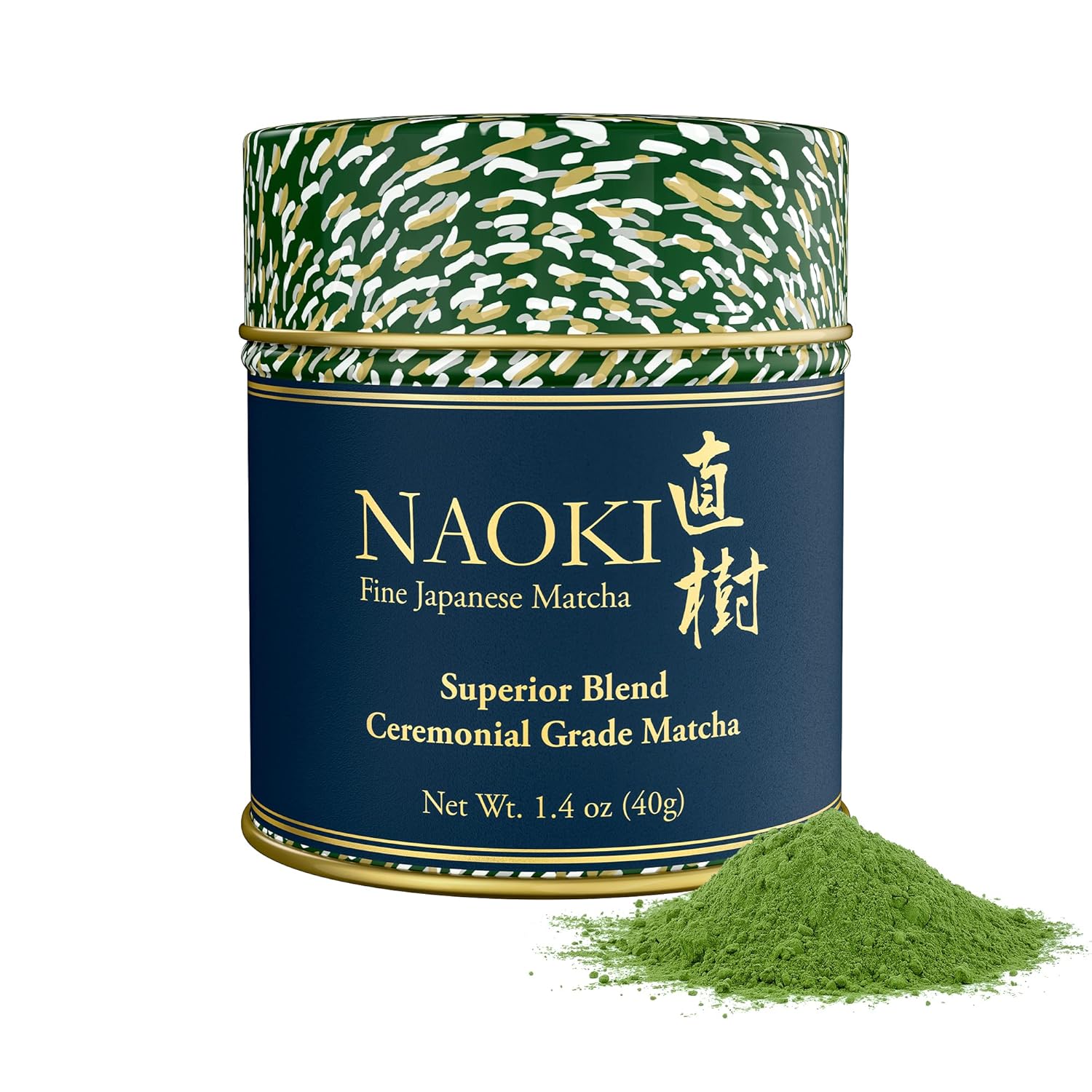
Naoki Matcha — Superior Ceremonial Blend
- Price/Size~$25 / 40g
- EGCG ContentHigh (Ceremonial Grade)
- HarvestFirst Flush, Spring
- CertificationPesticide-Free
The most accessible entry point for daily ceremonial drinking. Consistently bright green, smooth, and naturally sweet — everything you need to build a daily habit without breaking the budget.
find it here →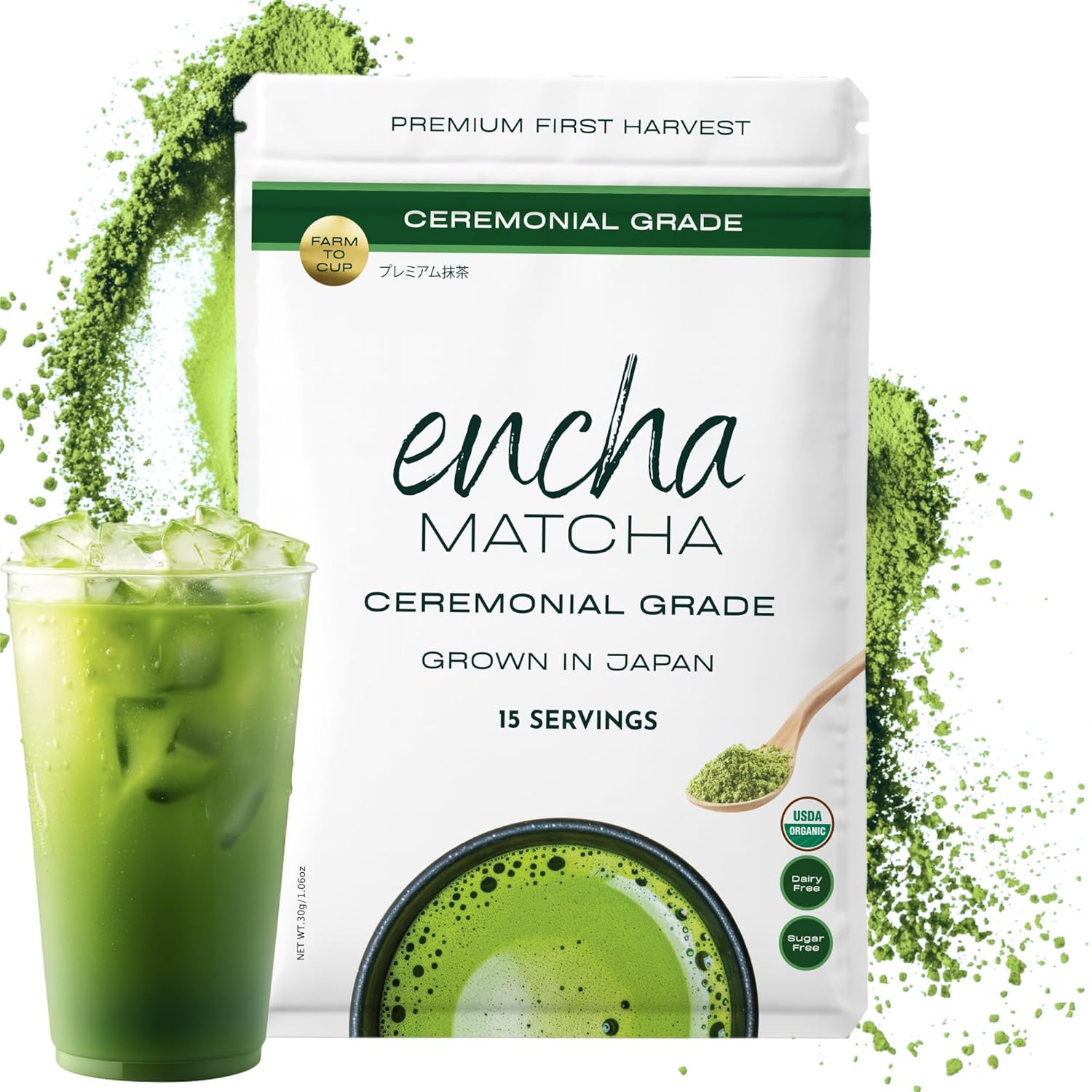
Encha Organic Ceremonial Matcha
- Price/Size~$27 / 30g
- EGCG ContentVery High (First Harvest)
- HarvestFirst Flush, Uji
- CertificationUSDA Organic
Certified organic, first-harvest from Uji. For drinkers who want the maximum EGCG and L-theanine content — the full anti-aging profile — without compromising on taste. Clean, bright, zero bitterness.
find it here →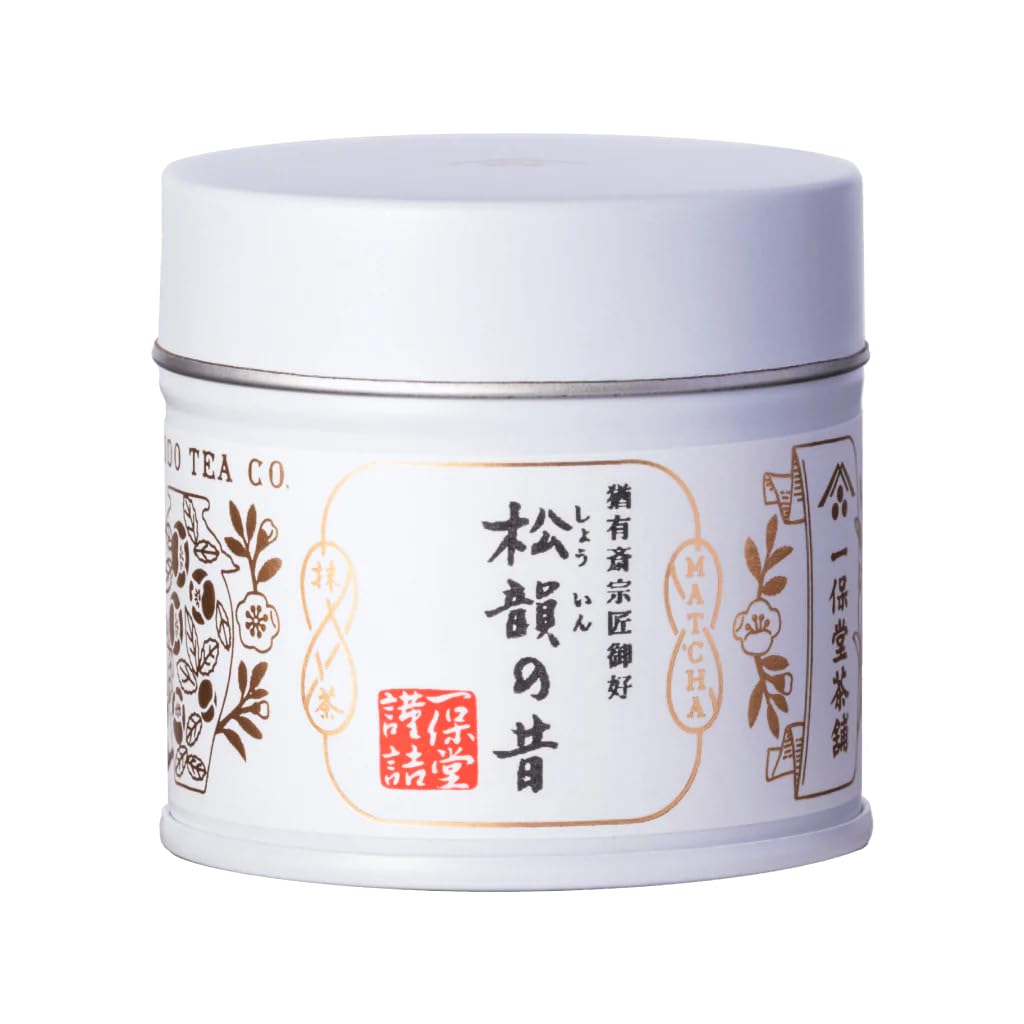
Ippodo Tea — Shoin Matcha
- Price/Size~$38 / 20g
- EGCG ContentVery High (Premium Ceremonial)
- HarvestFirst Flush, Kyoto
- HeritageIppodo Tea, est. 1717
Ippodo has been selling tea in Kyoto since 1717. Shoin is their entry-level ceremonial grade — which still places it well above most products on the market. The reference experience for anyone serious about quality.
find it here →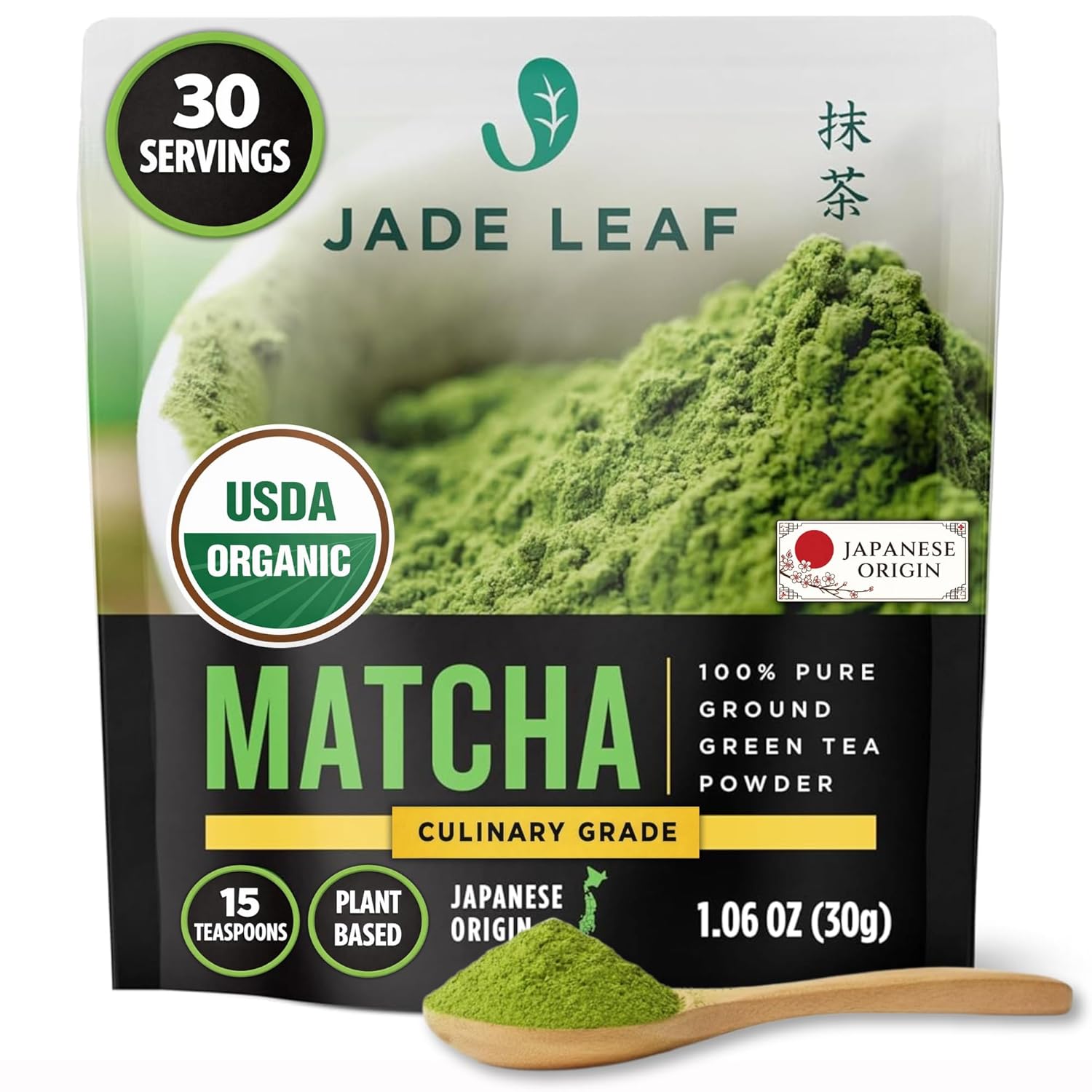
Jade Leaf Organic Matcha Powder
- Price/Size~$11 / 30g
- EGCG ContentModerate (Culinary Grade)
- Best UseDaily Lattes & Smoothies
- CertificationUSDA Organic
The budget-friendly daily driver. Lower EGCG and L-theanine than ceremonial grade, but still a meaningful daily dose of antioxidants — and at this price, easy to commit to 2–3 cups a day consistently.
find it here →Disclosure: This article is for informational purposes and not medical advice. While the research cited is from peer-reviewed sources, individual results vary. Consult healthcare providers for personalized guidance.