
In This Guide
- 1 The Discovery: Two Words, One Revolution What a Tokyo professor found in 1908 — and why mixing just two ingredients can produce flavor that's 8x stronger than either alone.
- 2 Making Dashi Right: The Rules That Actually Matter Why temperature and your tap water determine whether your dashi is great or just okay — and exactly what to do about both.
- 3 Umami Everywhere: From Dashi to Bolognese The same trick that makes dashi extraordinary also explains Parmesan with prosciutto, puttanesca, and Worcestershire sauce.
Note: As an Amazon Associate I earn from qualifying purchases. Prices are approximate and subject to change.
The Discovery: Two Words, One Revolution
Wait — Which "Umami" Are We Talking About?
Both are pronounced "umami." Both relate to deliciousness. But they mean completely different things.
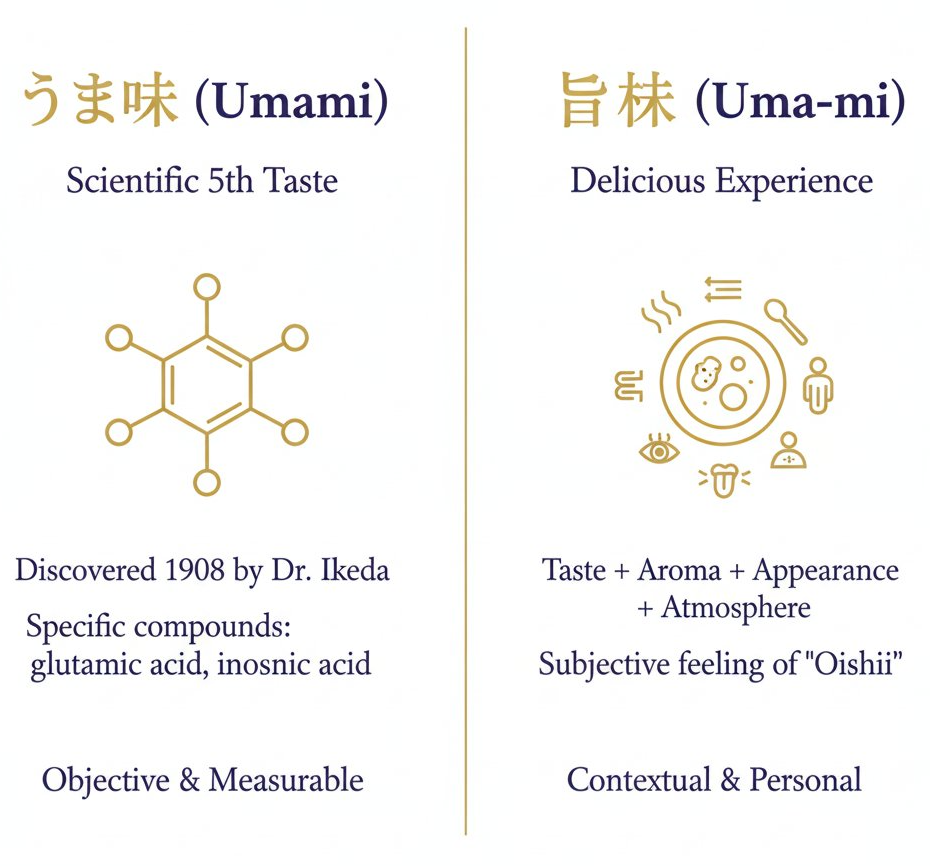
うま味 (hiragana) = The scientific fifth taste. A specific chemical compound discovered in 1908. This is what this article is about.
旨味 (kanji) = General deliciousness. "This tastes amazing." That's it.
"In popular food media, 'umami' is often used to describe a vague sense of savory depth. However, Japanese culinary science works with a precise molecule that you can engineer into a dish.
1908: The Professor and the Kelp Broth
Dr. Kikunae Ikeda was a chemistry professor in Tokyo. He noticed something strange about kombu dashi — the kelp broth at the base of Japanese cooking. It tasted deeply satisfying in a way that wasn't sweet, sour, salty, or bitter. There was something else going on.
He spent months isolating the mystery compound from 40 kilograms of kombu. What he found was glutamic acid — an amino acid. He proposed it as a fifth basic taste and named it うま味 (umami). His 1908 paper changed food science forever.
The Three Umami Compounds
Ikeda's students kept digging. By 1957, three compounds had been identified:
- Glutamate — in kombu, aged cheese, tomatoes, miso, soy sauce
- Inosinate — in katsuobushi (bonito flakes), meat, oily fish
- Guanylate — almost exclusively in dried mushrooms
Each one tastes umami on its own. But combine the right two, and something unexpected happens.
The Synergy: Why 1 + 1 = 8
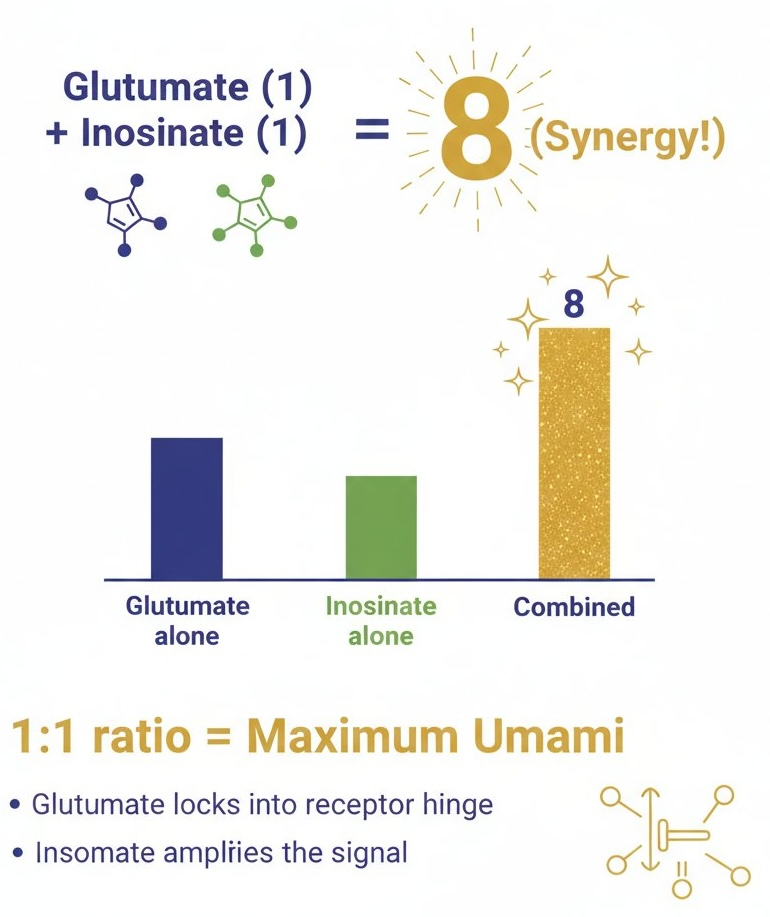
When glutamate and inosinate (or guanylate) are present together, the umami intensity doesn't just add up. It multiplies — roughly 7 to 8 times stronger than either compound alone.
Think of it like a lock and key. Glutamate slots into your taste receptor and sends a signal to your brain. Inosinate then locks it in place from a different angle, making the signal longer and stronger. Your brain doesn't taste "a bit more umami" — it tastes something qualitatively richer. That lingering, mouth-coating depth that makes great ramen broth taste like it's been simmering for days? That's the synergy.
Why Traditional Dashi (Broth) Is Science in Disguise
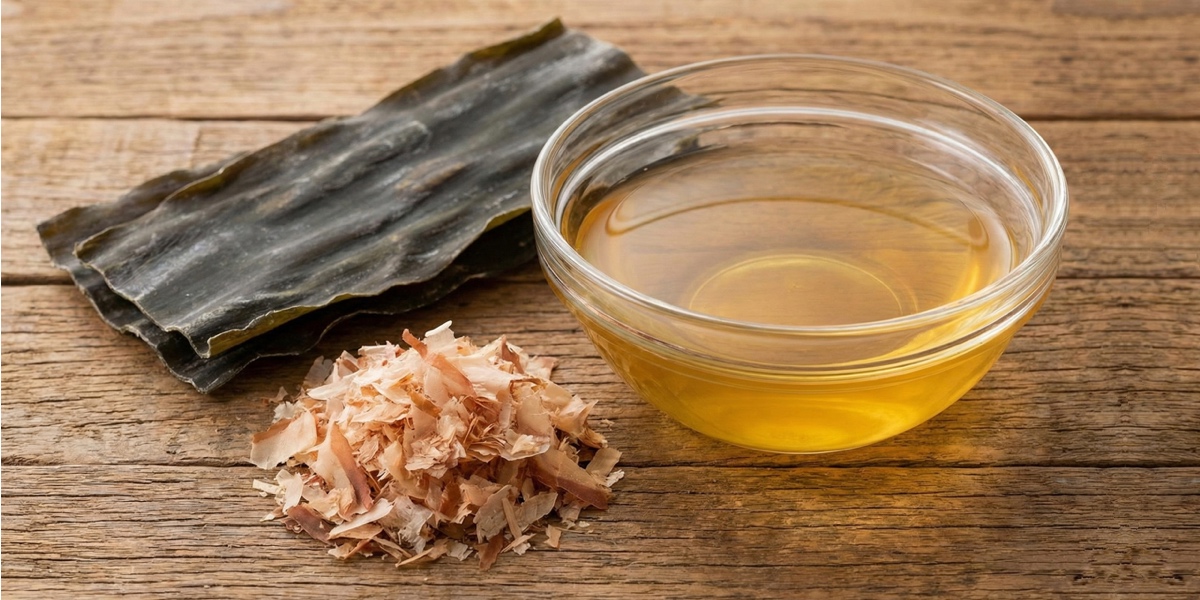
The classic ratio for Awase Dashi (blended broth) is roughly 10g kombu + 30g katsuobushi per liter of water. Japanese cooks developed this ratio over centuries — with no knowledge of glutamate or inosinate — purely through taste.
Kombu = glutamate. Katsuobushi = inosinate. It turns out that ratio sits right at the scientifically optimal point for maximum synergy. They were doing chemistry with their palates. The lab just caught up in 1908.
Making Dashi Right: The Rules That Actually Matter
Dashi looks simple — steep two ingredients in water, strain, done. But two things will quietly ruin it if you ignore them: temperature and water hardness.
Temperature: Two Ingredients, Two Windows
Kombu: Keep It Below 65°C (149°F)
Glutamate releases from kombu starting around 60°C — clean and sweet. But above 65°C, the kombu also starts releasing slimy, bitter compounds. The fix: remove the kombu just before the water simmers, when you see small bubbles forming on the bottom of the pot. Don't wait for a rolling boil.
Katsuobushi: Keep It at 85–90°C (185–195°F)
Inosinate needs higher heat to dissolve. But boiling (100°C) doesn't get you more — it just makes the dashi cloudy and blows off the delicate aroma. The traditional trick: after removing the kombu, let the water cool slightly before adding the bonito flakes. Steep for 2–3 minutes, then strain. And don't squeeze — pressing the flakes forces bitter compounds into your broth.
Awase Dashi: The Full Method
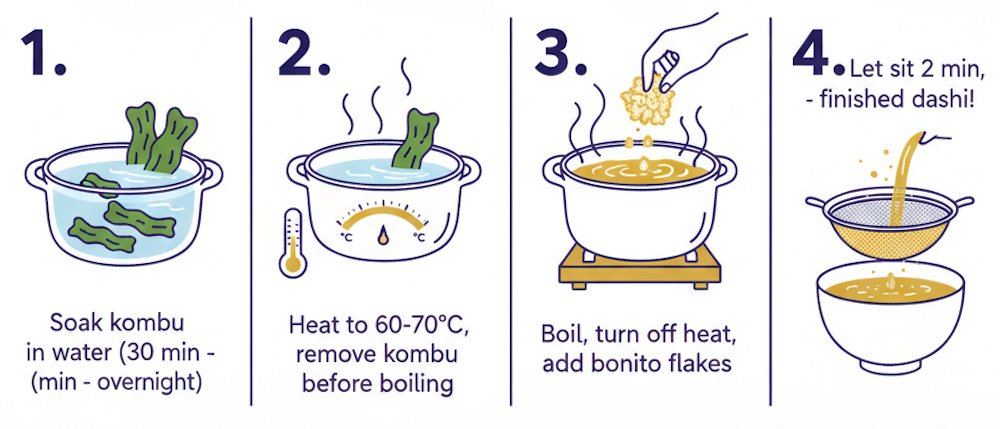
- Soak: Cold water + kombu for 30 minutes (or overnight in the fridge)
- Heat slowly to 60°C — never boil
- Remove kombu just before it simmers
- Raise to 85–90°C, then turn off the heat
- Add katsuobushi, steep 2–3 minutes
- Strain gently — do not press
Uses: Miso soup, clear soups, noodle broths, chawanmushi (savory egg custard).
Going vegetarian? Swap katsuobushi for dried shiitake mushrooms — guanylate gives you the same synergy effect.
Your Tap Water Might Be Sabotaging Your Dashi
Japan's water is very soft — low in minerals. Most North American and European tap water is much harder, with calcium and magnesium levels 5–10 times higher.
Why does it matter? Calcium in hard water binds to glutamate before it can fully dissolve into your broth — essentially blocking your umami extraction. The result is a cloudier, slightly mineral-tasting dashi that tastes noticeably flat next to the same recipe made with soft water.
The Easy Fix
Use filtered or bottled water for dashi. A standard carbon filter works for moderately hard water. If your tap water is very hard (common in many US cities and across much of Europe), the difference will be dramatic. Taste them side by side once — you'll never go back to tap.
Ichiban & Niban: Getting Two Dashi from One Batch
Ichiban dashi ("first dashi") is the initial extraction — the most refined, clearest, highest in umami. Use it for dishes where dashi is the star: clear soups, chawanmushi, delicate dipping broths.
Niban dashi ("second dashi") reuses the same kombu and katsuobushi with fresh water, simmered gently for 10–15 minutes. Lighter in flavor, still plenty for miso soup and everyday simmered dishes. Nothing gets thrown away until it's truly spent.
Homemade vs Instant: Which Should You Use?
Homemade is the best — pure, no additives, full synergy. Worth the 20 minutes for clear soups and anything where dashi is the main flavor.
Instant dashi is fine for weeknight miso soup — but brands vary wildly. Good instant dashi lists katsuobushi and kombu first. Bad instant dashi is basically just MSG and salt — it delivers glutamate alone and skips the synergy entirely. Check the label.
Umami Everywhere: From Dashi to Bolognese
Once you understand the synergy, you'll start seeing it everywhere. Every cuisine that produces deeply satisfying broths and sauces has stumbled onto the same glutamate + nucleotide trick — they just never had a name for it.
The Same Logic in Every Kitchen
Italian: Parmesan is one of the highest-glutamate foods on earth. Pair it with prosciutto (inosinate) and you've got a dashi-level synergy pair. Bolognese combines tomato paste (glutamate) with ground beef (inosinate) and slow-cooks both to concentrate them. Puttanesca layers tomato and anchovy — and anchovy is actually self-synergizing, because fermentation releases both glutamate and inosinate from the same fish.
Southeast Asian: Fish sauce (glutamate) + dried shrimp or meat (inosinate) = the depth that defines Thai and Vietnamese broths.
French: Fond brun reduces beef bones (inosinate) with tomato paste (glutamate). The intensity of classical French sauce is, at its core, a synergy reaction.
| Ingredient | Umami Type | Best Synergy Pairing |
|---|---|---|
| Kombu | Glutamate | Katsuobushi → awase dashi |
| Katsuobushi (bonito flakes) | Inosinate | Kombu → awase dashi |
| Dried shiitake | Guanylate | Kombu → vegan dashi |
| Parmesan (aged) | Glutamate | Prosciutto, anchovy (inosinate) |
| Tomato (cooked / paste) | Glutamate | Beef, anchovy, pancetta (inosinate) |
| Anchovies | Glutamate + Inosinate | Self-synergizing — amplifies everything |
| Miso / soy sauce | Glutamate | Any meat broth or katsuobushi |
| Fish sauce | Glutamate | Meat, dried shrimp (inosinate) |
The Rule You Can Use Anywhere
Pair something fermented, aged, or dried (glutamate: miso, Parmesan, tomato paste, fish sauce, kombu) with something meat- or fish-based (inosinate: katsuobushi, beef, anchovies, dried shrimp). The ratio matters less than getting both in the pot. A few drops of fish sauce into a beef stew will deepen the flavor out of all proportion to the amount you added. That's the synergy doing exactly what it does in dashi.
Common Mistakes
Mistake 1: Boiling the kombu
Boiling releases slimy, bitter compounds that ruin the clean flavor of dashi. Remove the kombu when you see small bubbles forming on the bottom of the pot — before it simmers.
Mistake 2: Squeezing the bonito flakes when straining
Pressing forces bitter compounds from the flakes into the broth and makes it cloudy. Just let it drip through naturally.
Mistake 3: Washing the white powder off your kombu
That white coating is concentrated free glutamate — the most potent umami on the whole leaf. Wipe gently with a damp cloth to remove any grit, but leave the white powder intact.
Mistake 4: Using stale ingredients
If your bonito flakes smell fishy rather than smoky, they're too old. Store both kombu and katsuobushi in airtight containers — kombu lasts about a year after opening, katsuobushi about 6 months.
The Bottom Line
Umami isn't a vague flavor buzzword. It's a chemical event that multiplies flavor intensity up to 8x when the right ingredients meet. Japanese dashi is the purest expression of that chemistry — and once you understand it, you'll see it everywhere.
Start here: Instant dashi (Kayanoya) for weeknight cooking.
Level up: Homemade awase dashi (kombu + katsuobushi) for anything special.
Remember: Glutamate + inosinate = 7–8x umami. That's the whole secret.
Our Recommendations
Natural Ingredients
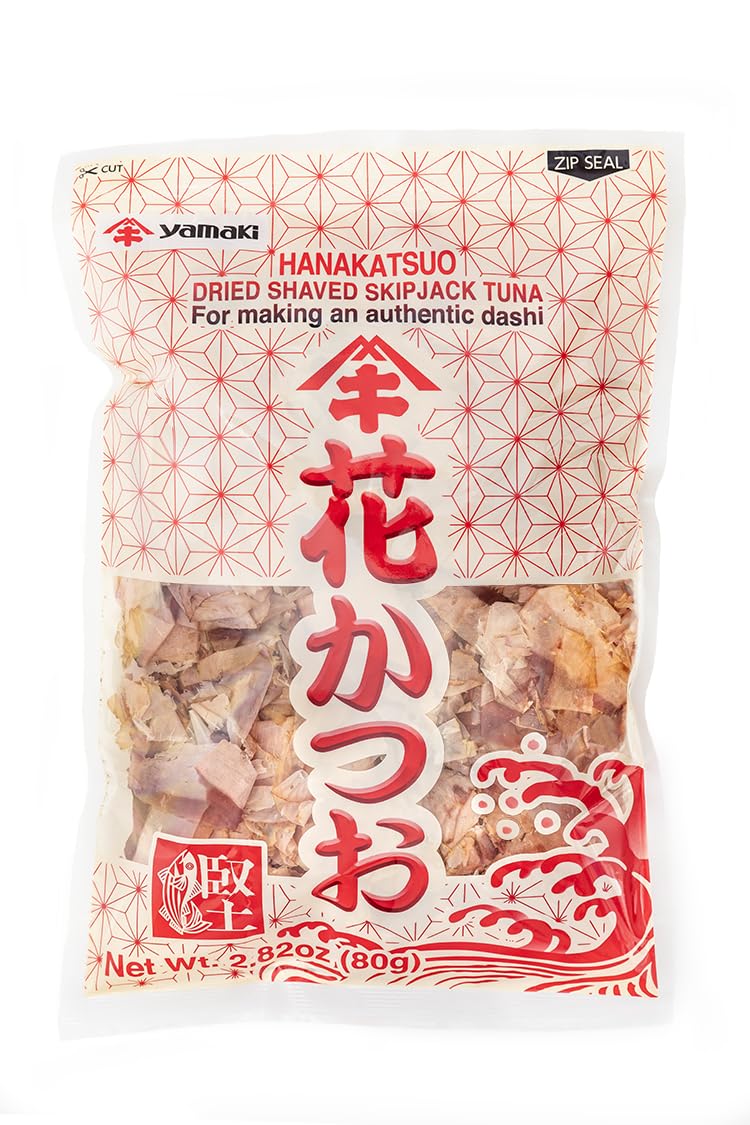
Yamaki Bonito Flakes "Hana-Katsuo"
- Price~$15
- TypeDried Bonito Flakes
- Umami CompoundInosinate
The inosinate half of the synergy pair. Good katsuobushi should smell smoky, not fishy — Yamaki gets this right. Essential for awase dashi.
find it here →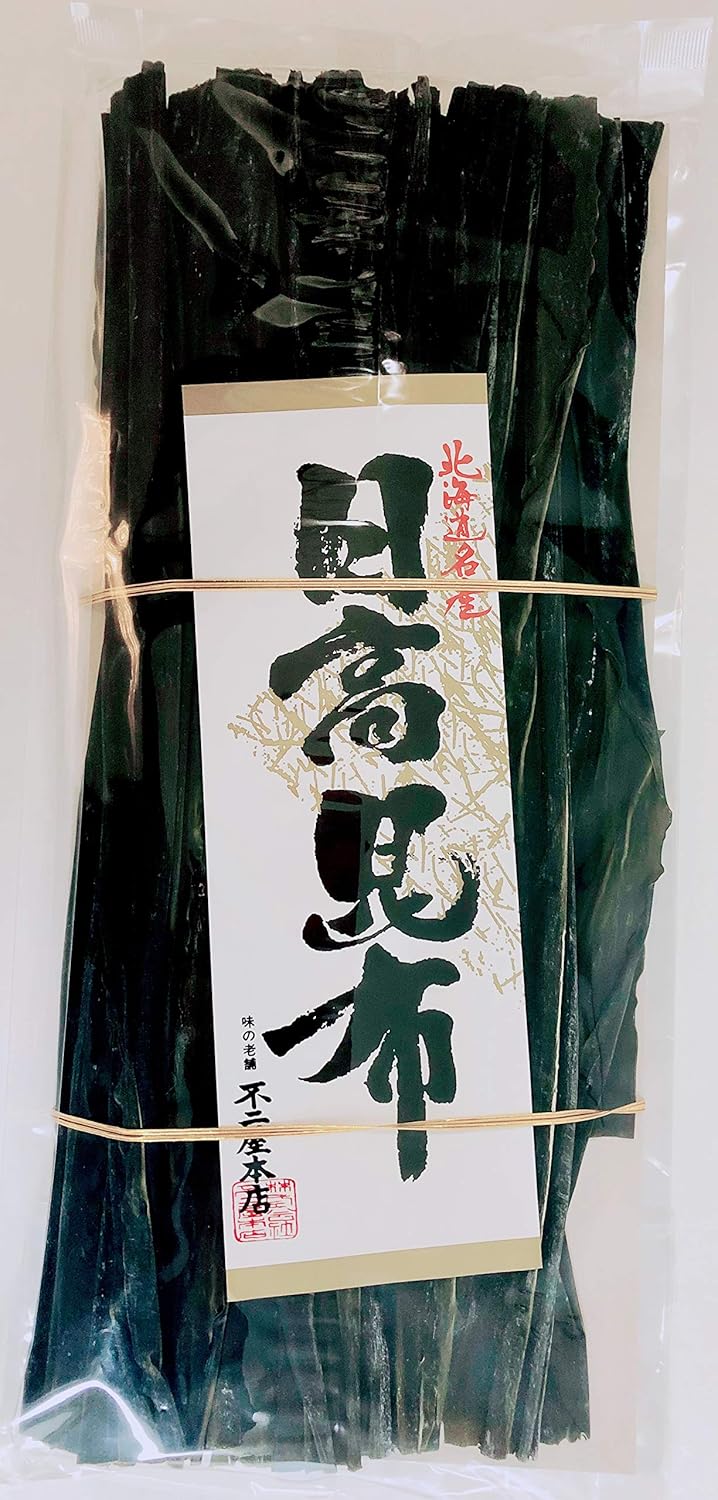
Hidaka Kombu for Soup Stock
- Price~$20
- TypeNatural Dried Kelp
- Umami CompoundGlutamate
The glutamate half of the pair. The white powder on the surface is free glutamate — don't rinse it off. That's the whole point.
find it here →Convenient Option
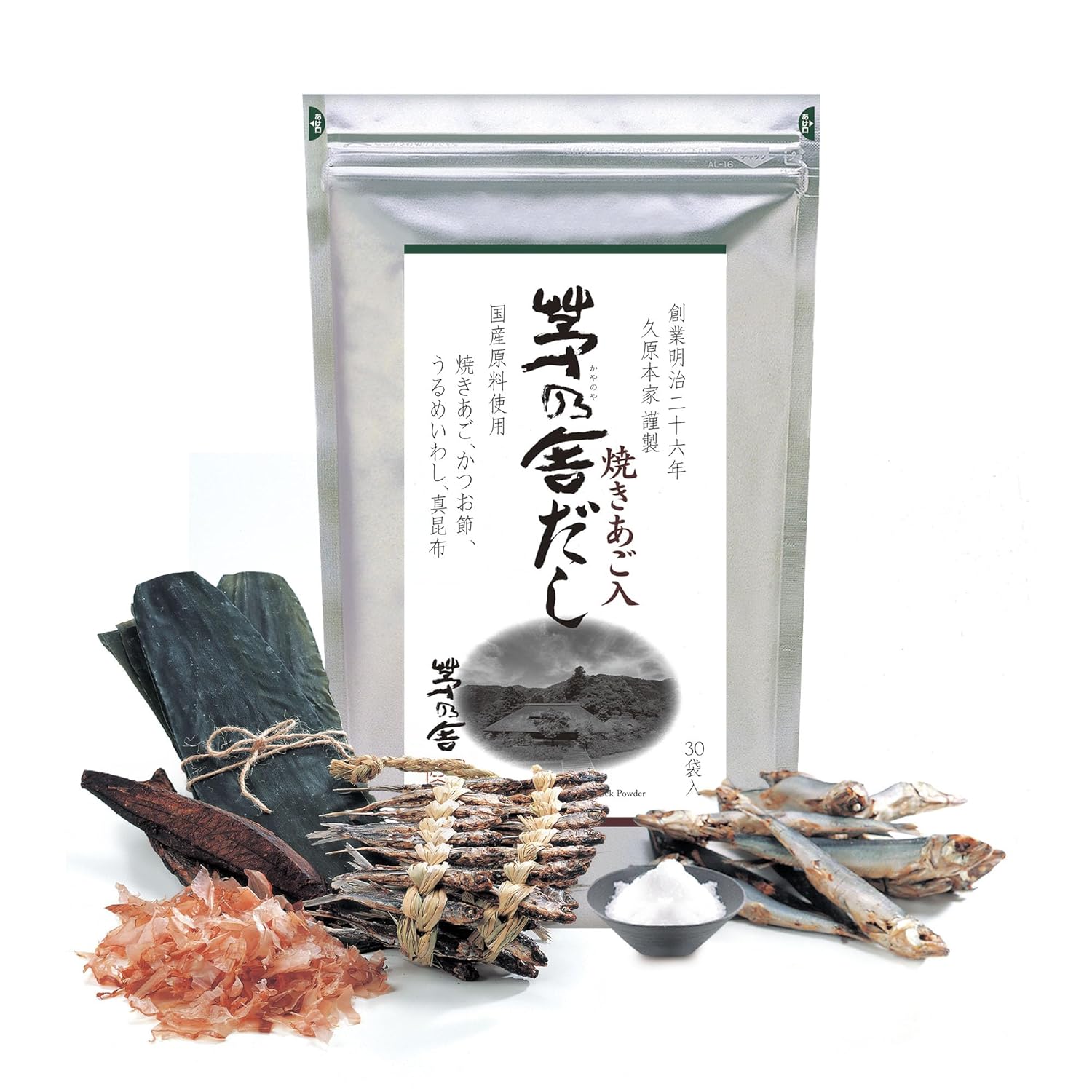
Kayanoya Dashi Stock Powder
- Price~$39
- TypeAll-Natural Dashi Bags
- AdditivesNo MSG Added
Real katsuobushi and kombu in bag form — the only instant dashi that delivers genuine synergy. Steep in hot water for 3 minutes and you're done. The right shortcut.
find it here →